Premium
Fluids
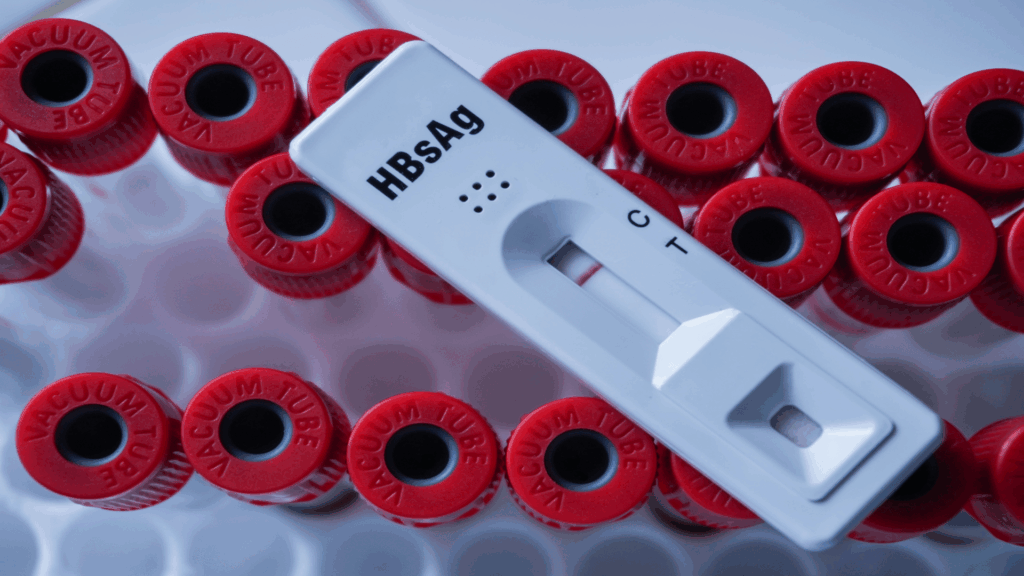
Capillary Flow in a Blood Testing Cassette: Microfluidics Application
1-2 HOURS

Microfluidic devices are used for a variety of applications in the healthcare industry, e.g., drug delivery, rapid diagnostics and organ-on-a-chip. Flow through these devices is accomplished using active or passive mechanisms. Active mechanisms involve the application of pressure or voltage gradients to induce flow of the bulk fluid, while passive systems rely on surface tension interactions with the internal surfaces of the chip, i.e., capillary flow. The purpose of this tutorial is to provide guidelines on solving capillary flow through a blood testing cassette.
Learning Outcomes:
Following completion of this course, you will be able to:
- Setting up a transient volume of fluid (VOF) problem considering surface tension and contact angle effects which are the main flow drivers at this length and time scales (microfluidics).
- Creating an animation visualizing the vortex formation process.
Prerequisites:
This tutorial assumes that the user has completed Ansys Fluent Getting Started: Basics and Ansys Fluent Beyond Basics training. While not necessary, it is recommended that the user completes the Ansys Fluent Multiphase Flow Modeling.
Please note: These training materials were developed and tested in the 2026R1 release.
-
Cost: $450.00
- Course Duration: 1-2 HOURS
- Skill Level: Intermediate
- Skills Gained: Volume of Fluid Modeling in Ansys Fluent Software, Surface Tension Modeling in Ansys Fluent Software, Flow Visualization in Ansys Fluent Software
No reviews available for this learning resource.