TAGGED: k-omega-sst, shear, tke
-
-
July 13, 2026 at 7:00 pm
pablobhs
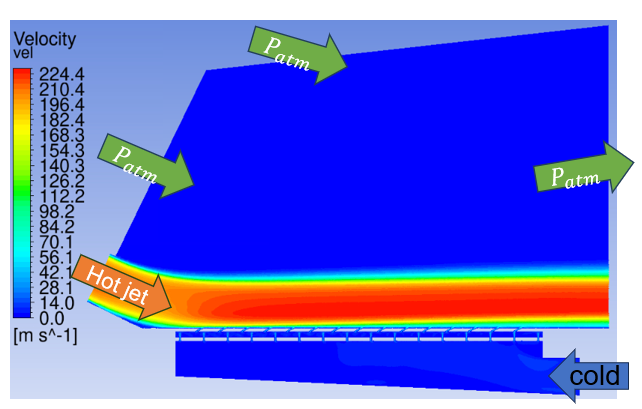
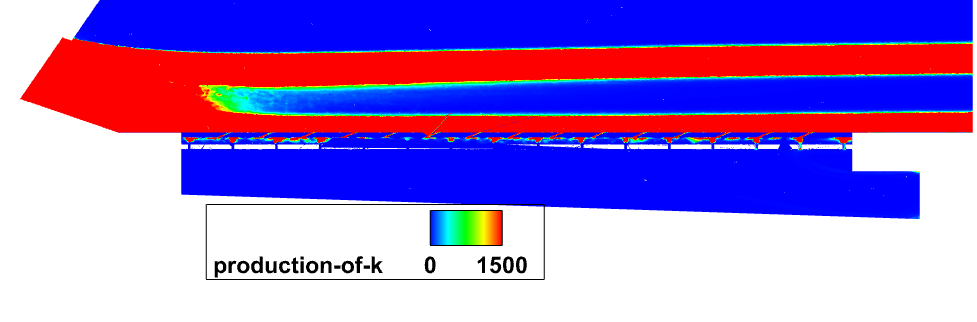
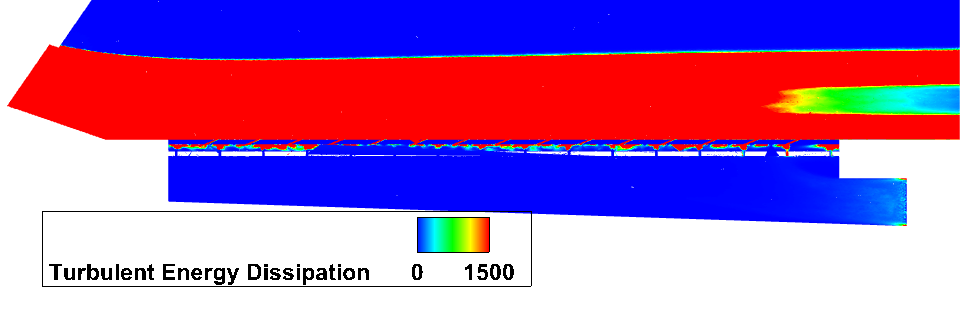
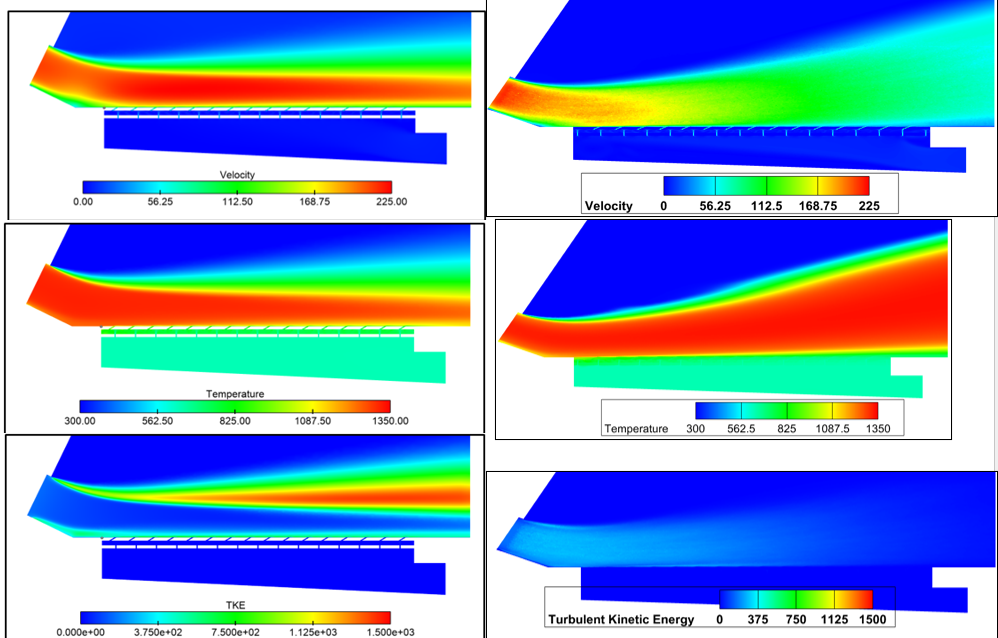
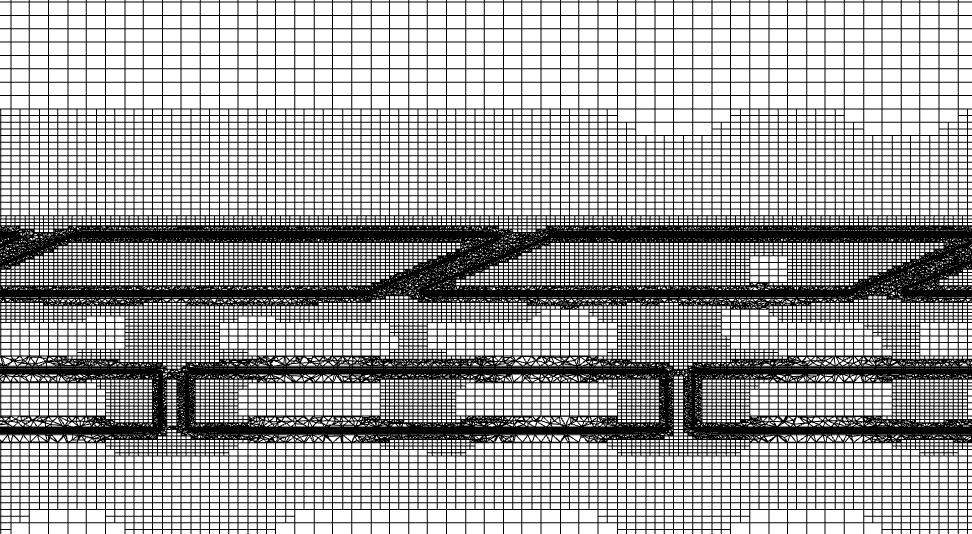
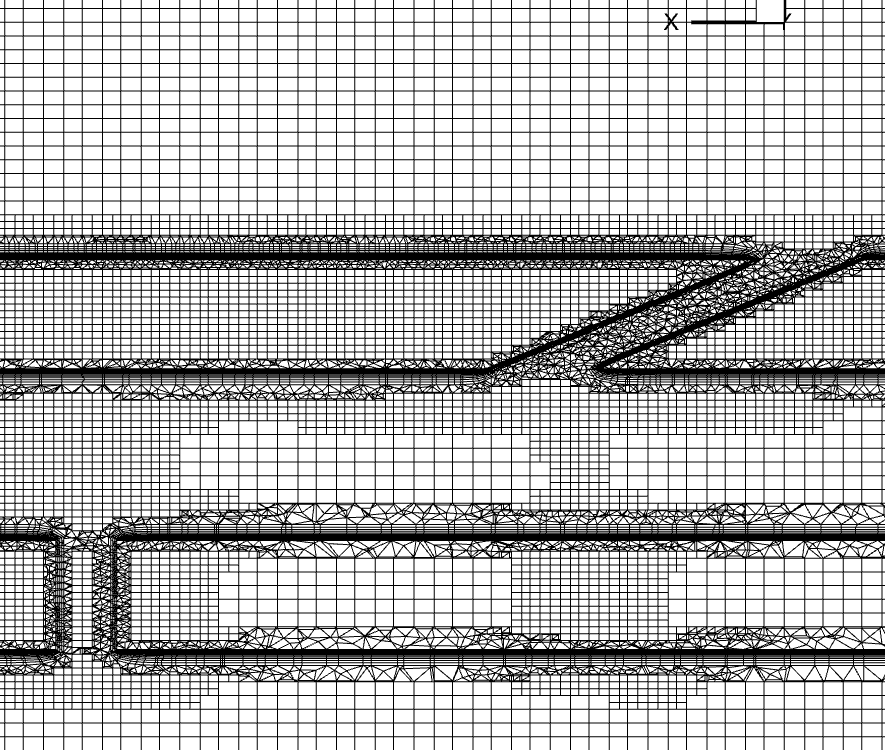
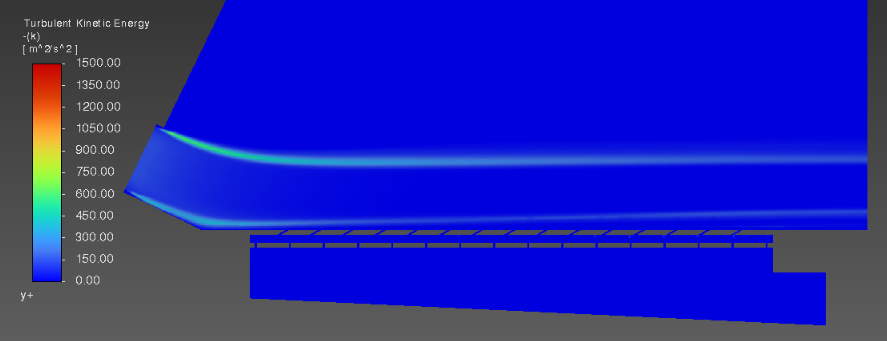
SubscriberI am trying to model a hot jet impinging at an angle on an effusion cooling plate. While comparing my simulation with a colleague's results, I saw severe underprediction of TKE generation in my shear regions. I plotted production of k which seems to be fine, however the dissipation is probably too high. Is the fix more mesh-related or a turbulence model issue? Im using k-omega sst with default settings except production limiter is turned off and viscous heating and corner flow correction are turned on.Â
Â
Â
-
July 14, 2026 at 7:45 am
Essence
Ansys EmployeeHello,
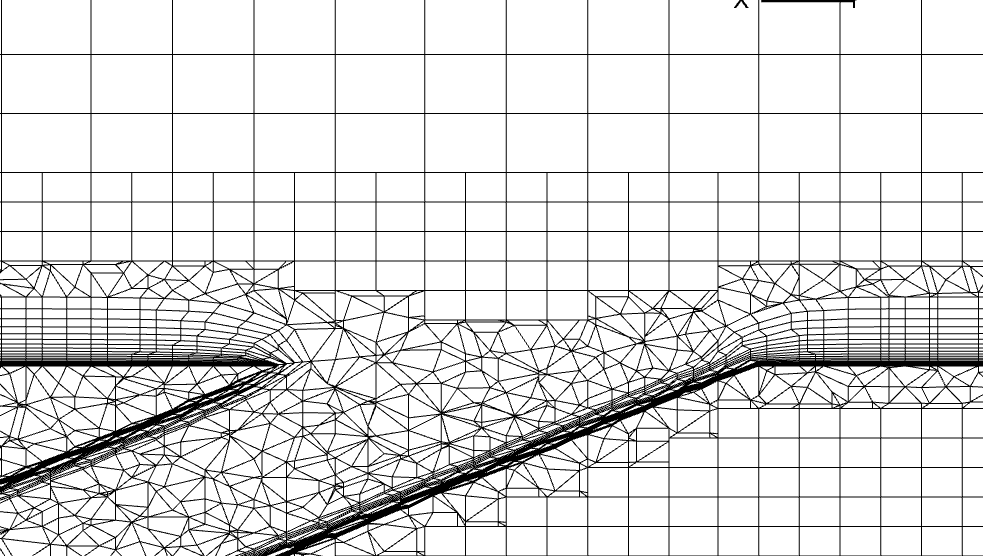
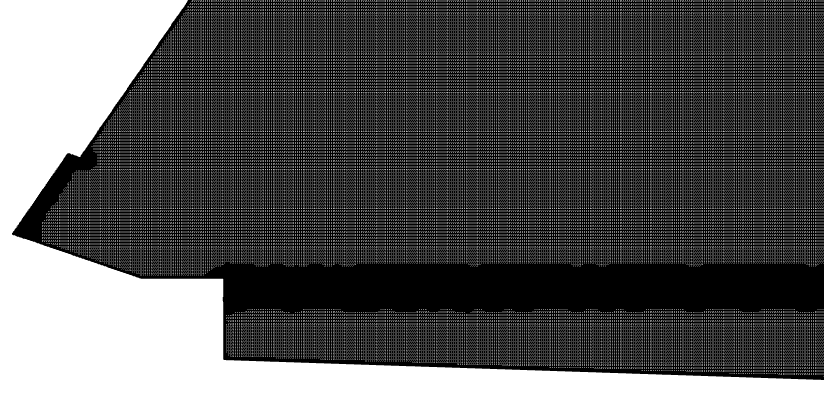
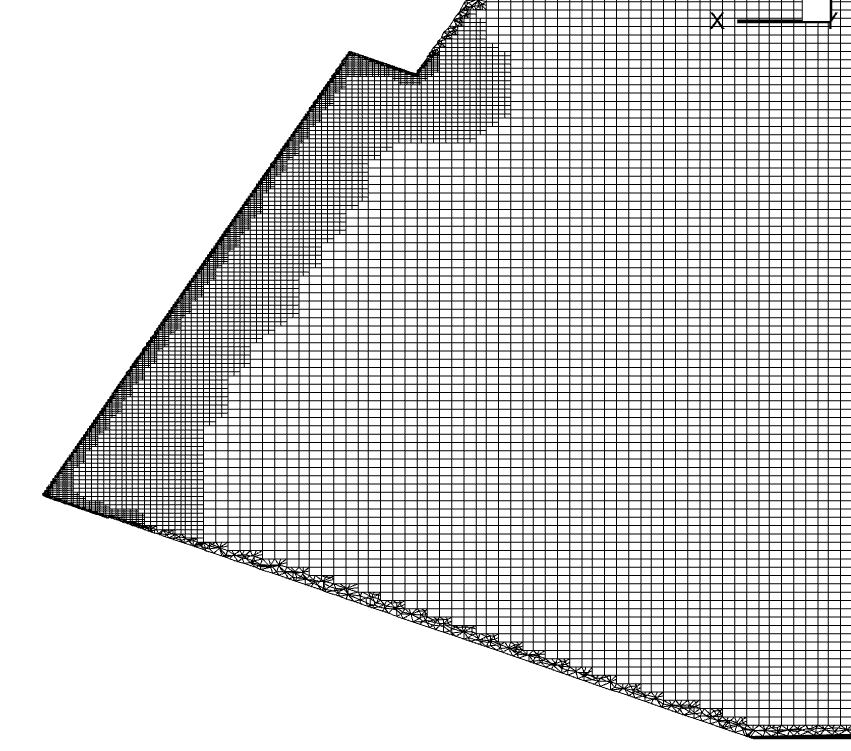
Mesh is a bit slender at inflation layers. This can create the cell jump issues. Can you try using polyhedra mesh?
-
July 14, 2026 at 5:01 pm
pablobhs
SubscriberHey, thanks for the reply.
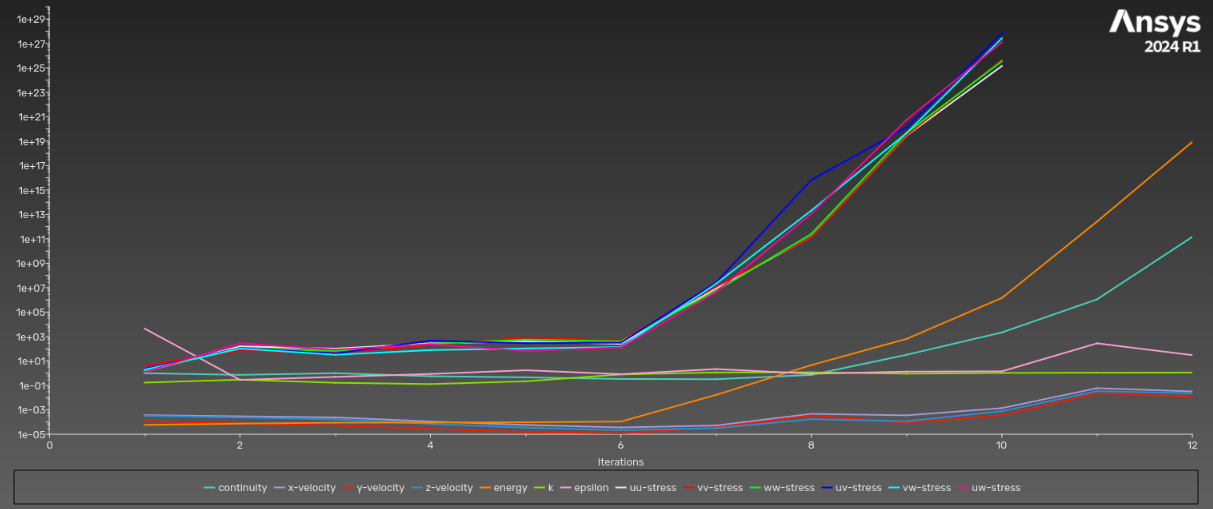
I did try a polyhedra mesh but the solution was diverging, maybe i need to resolve it better.
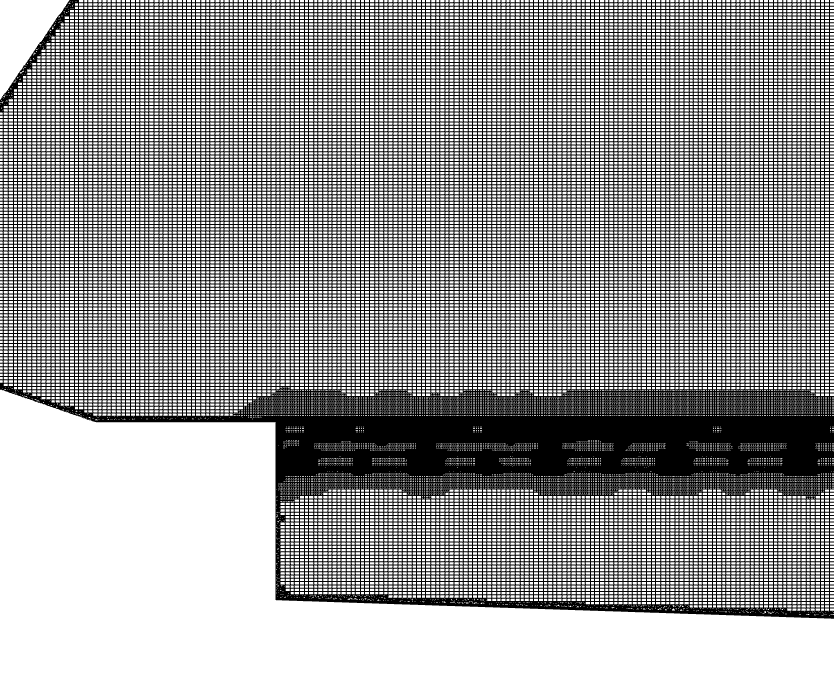
What about the free shear region? That has structured cells everywhere still the TKE generation is poor.
-
-
July 15, 2026 at 11:00 am
Essence
Ansys EmployeeThe issue may be related to sudden cell jumps in shear region. Since the velocity is quite high, these cell jumps can be detrimental to the solution.
Is the cross-section a square or a circular? Two-equation models are known to overpredict dissipation, which can result in lower TKE. Please use higher order discretization schemes. Ensure the y+ values are adequate.
-
July 15, 2026 at 12:44 pm
pablobhs
Subscriber-
July 15, 2026 at 12:52 pm
Essence
Ansys EmployeeI see. Thanks for the information. What about the mesh? For the given velocity field, the mesh seems a bit coarse. Can you try to run the case once using Reynolds Stress Model (RSM)? This will help us to narrow down the issue.
-
July 15, 2026 at 1:40 pm
-
-
-
- You must be logged in to reply to this topic.
-
6845
-
1906
-
1527
-
1343
-
1152
© 2026 Copyright ANSYS, Inc. All rights reserved.