Ansys Assistant will be unavailable on the Learning Forum starting January 30. An upgraded version is coming soon. We apologize for any inconvenience and appreciate your patience. Stay tuned for updates.
LS Dyna

LS Dyna

Topics related to LS-DYNA, Autodyn, Explicit STR and more.

Soft finger simulation problem in LS-DYNA

    • rian4429
      Subscriber

      I'm trying to simulate the final bending angle of a soft finger at -70 kPa using LS-DYNA.

      However, the simulation results are consistently much smaller than the actual angle.

      I can't figure out why the difference is so large.

      Could someone please help me identify the problem?

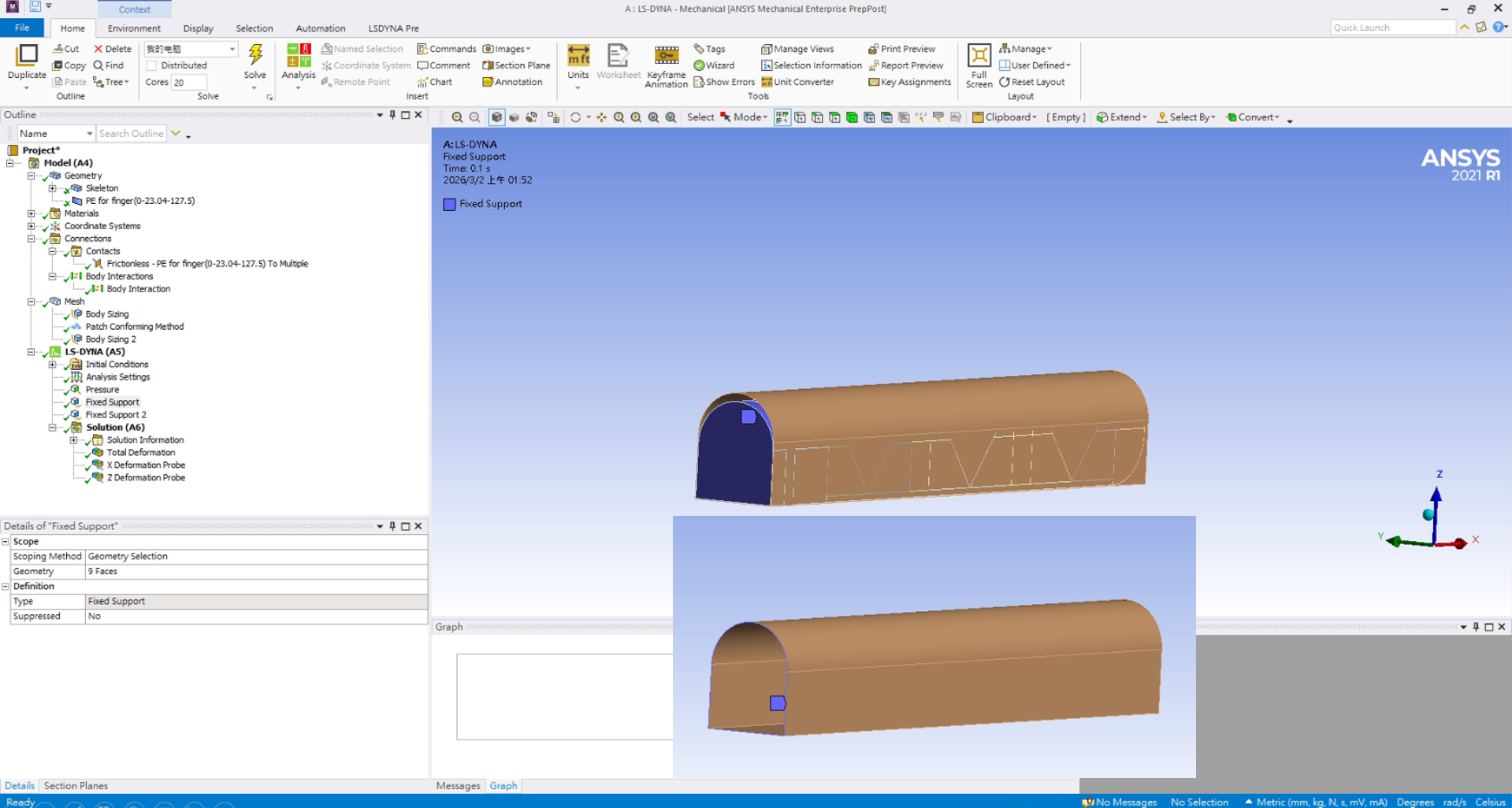
      Below are my simulation settings and screenshots from ANSYS.

    • rian4429
      Subscriber

      Step1:
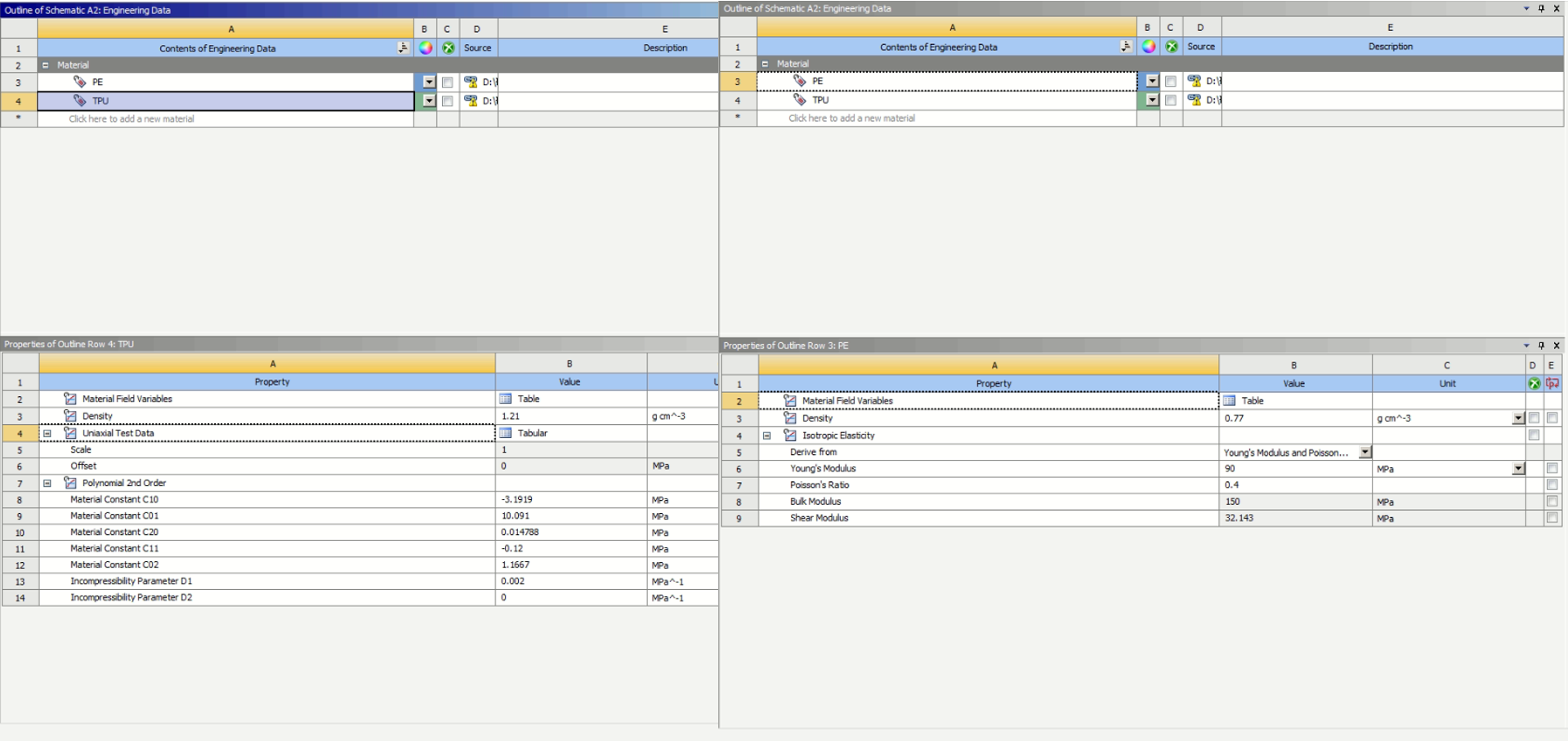
      There are two materials used: PE for the airbag and TPU for the internal skeleton.

      PE: Density 0.77 g/cm³, Young's modulus 90 MPa, Poisson's ratio 0.4

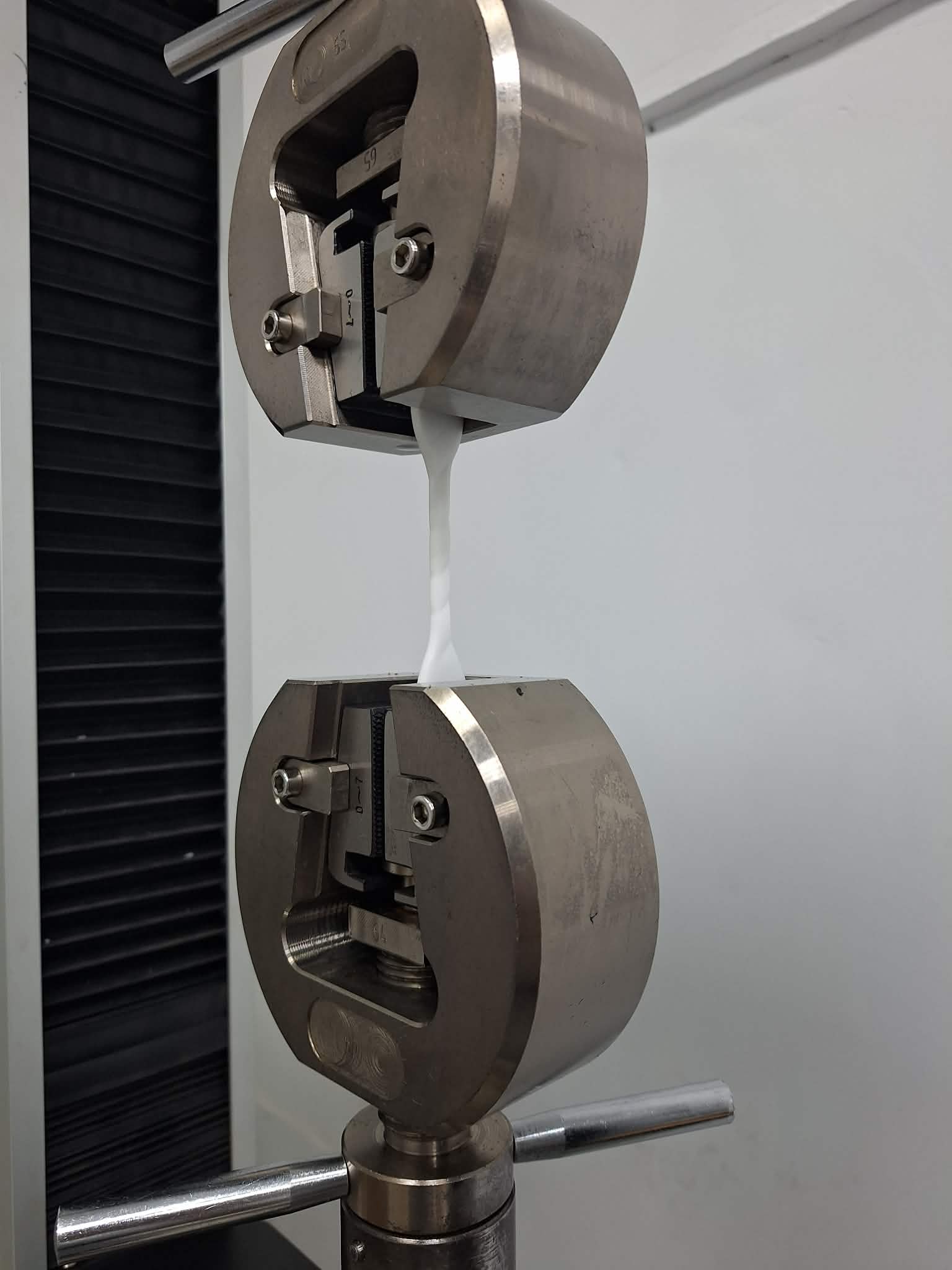
      TPU material was prepared by uniaxial tensile testing according to ISO 37/ASTM D412 standards, followed by stress-strain curve fitting.

    • rian4429
      Subscriber

      Step2:
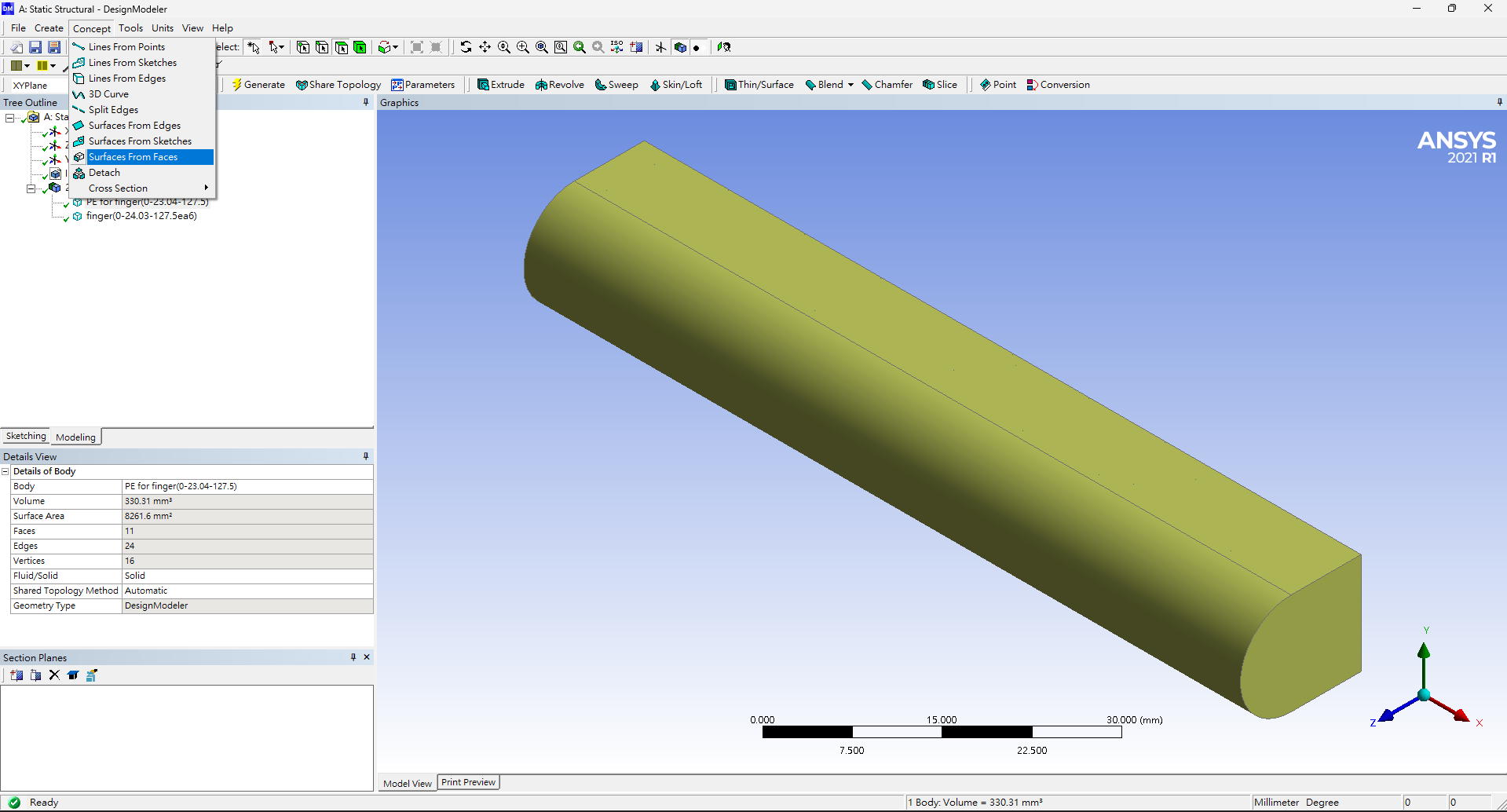
      To improve computational efficiency, I converted the outer PE film into a shell using the surface to shell function in DesignMolder.

    • rian4429
      Subscriber

      Step3:
      The film thickness is set to 0.04 mm

    • rian4429
      Subscriber

      Step4:
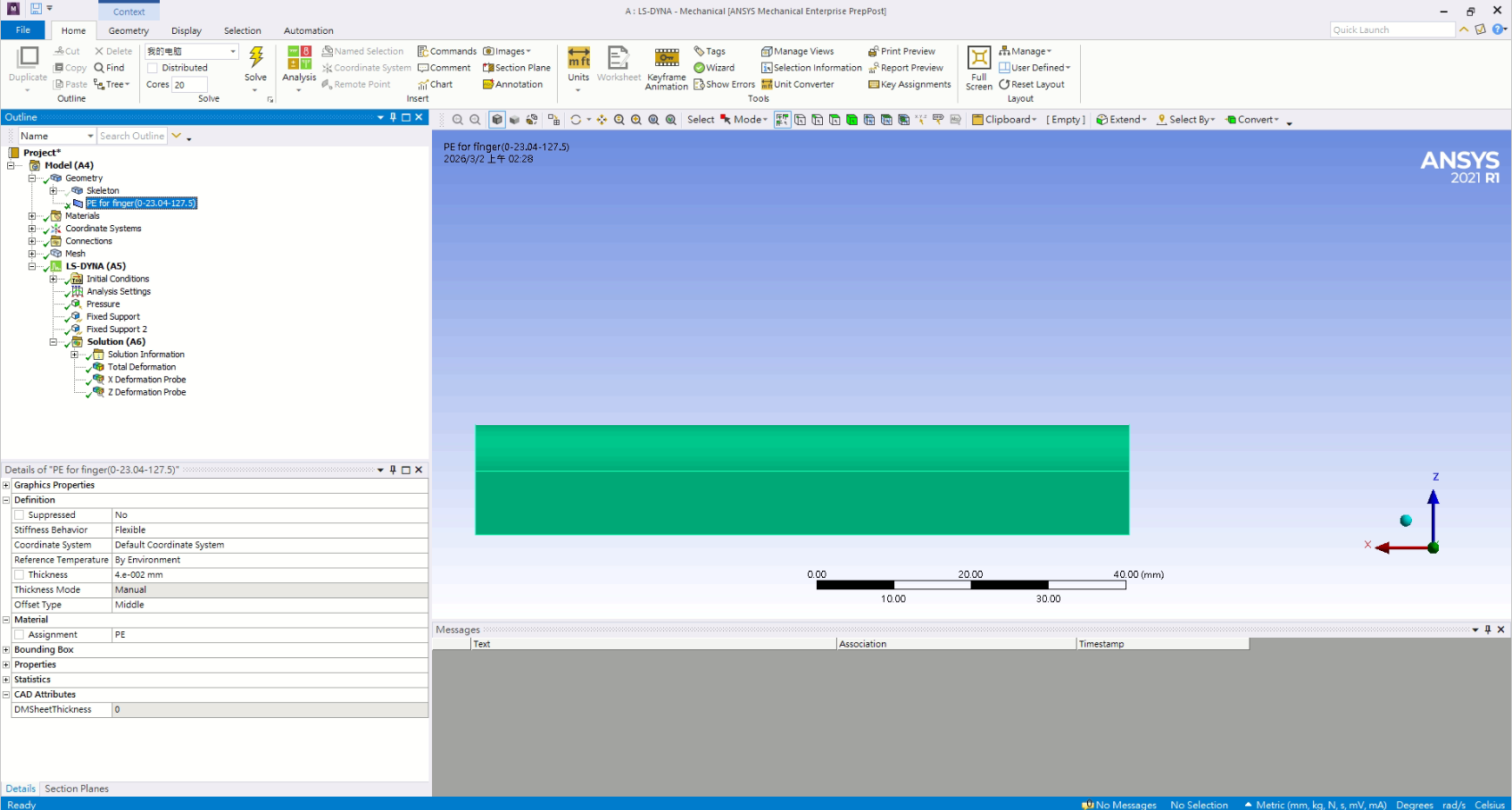
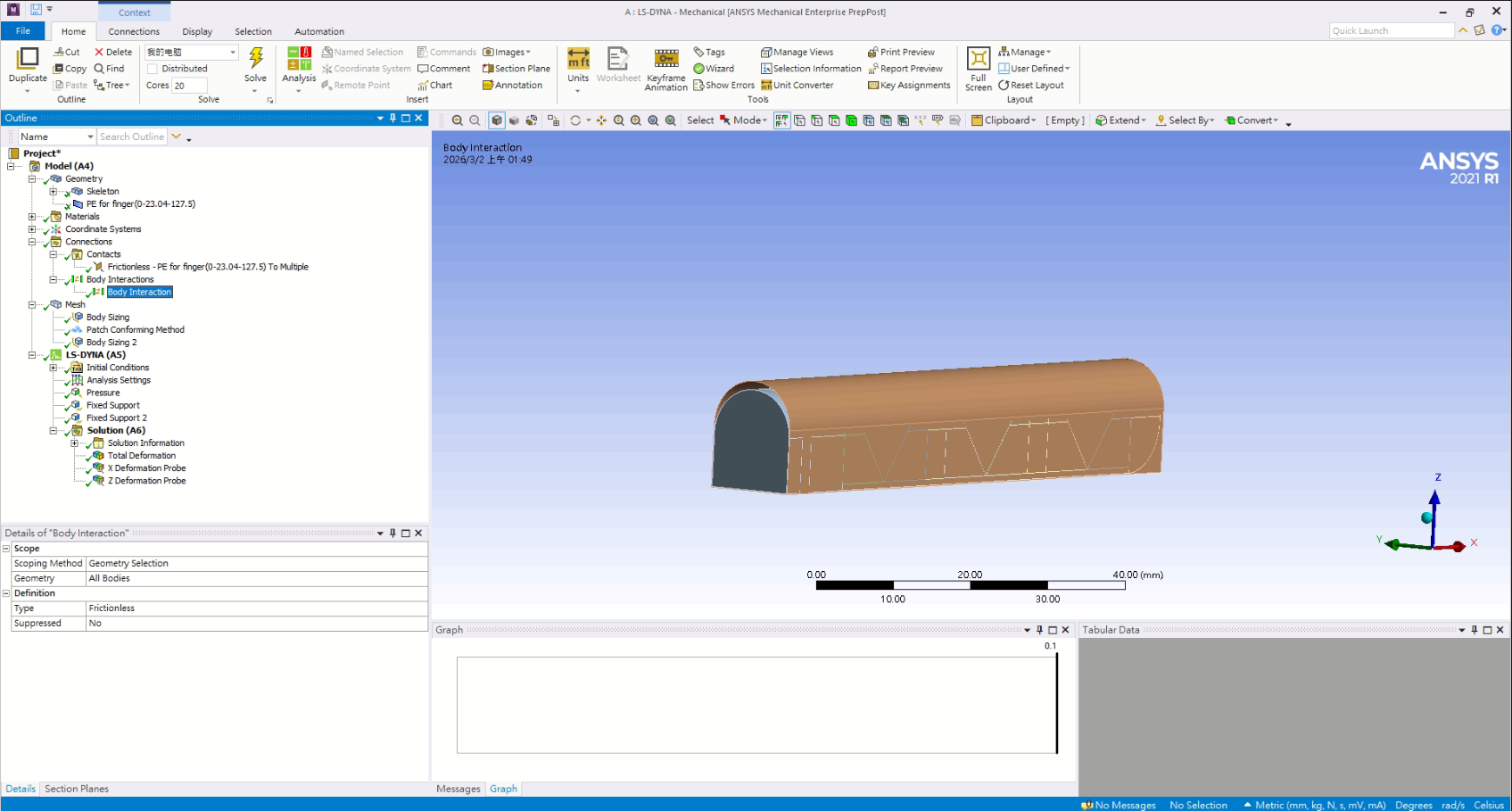
      I defined the inner wall of the membrane as the contact bodies, and all surfaces of the TPU endoskeleton except the bottom as the target bodies.

      Type: Frictionless
      Formulation: Augmented Lanrange

    • rian4429
      Subscriber

      Step5:
      Body interaction is also set to be frictionless.

    • rian4429
      Subscriber

      Step6:

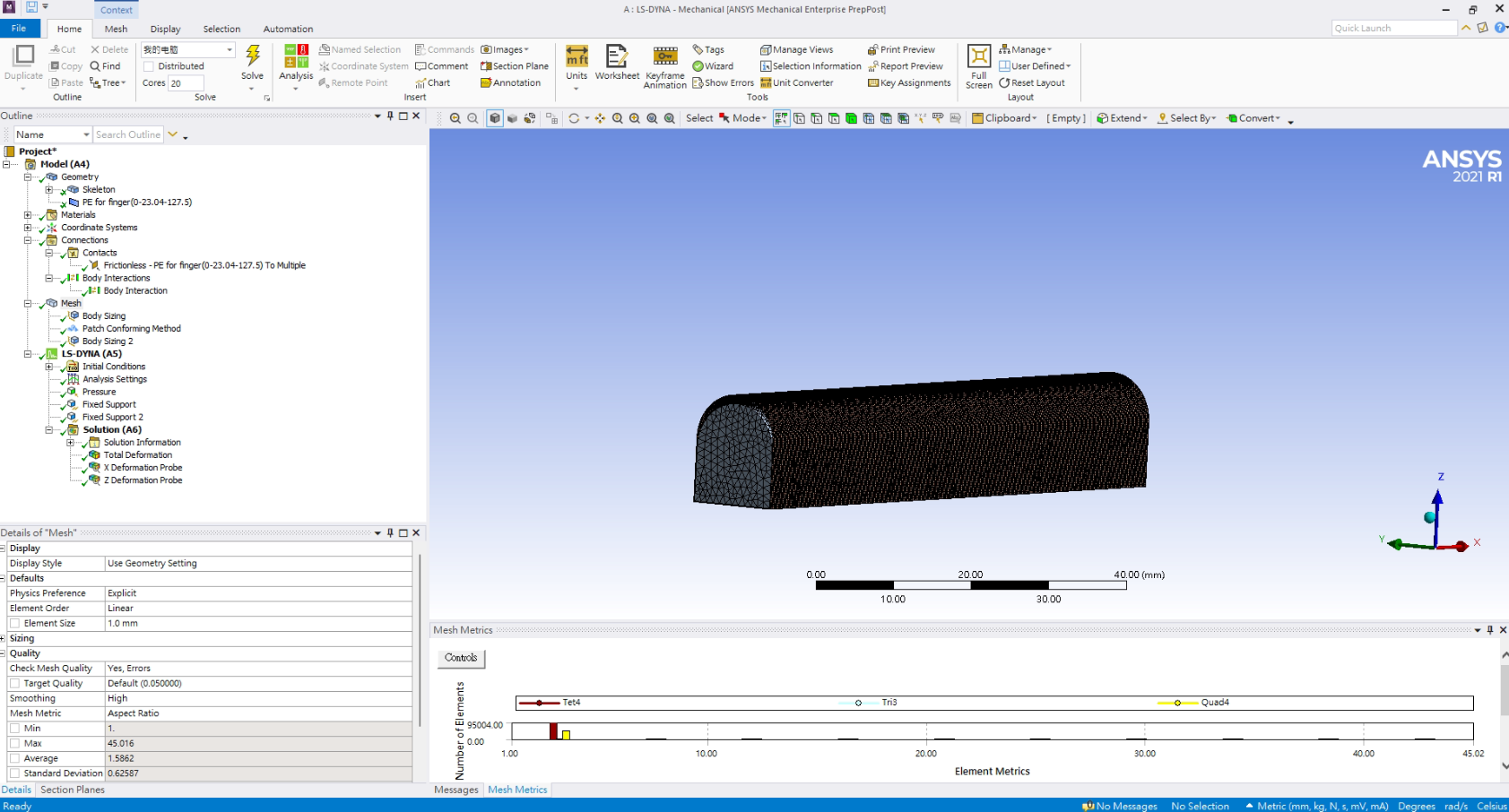
      The element size of the TPU endoskeleton is 1.0 mm.

      The element size of the PE film is 0.3 mm.

      The bottom of the endoskeleton is 0.8 mm.

    • rian4429
      Subscriber

      Step7:
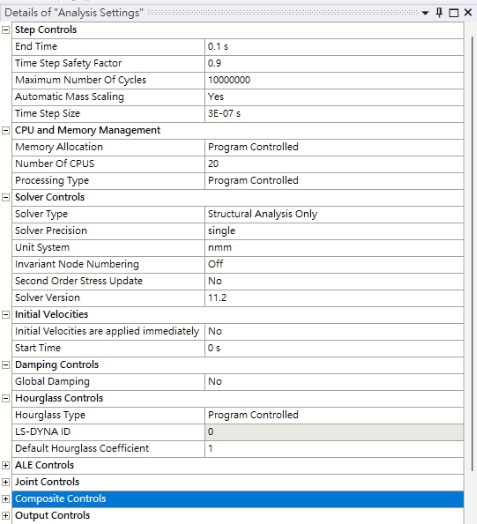
      The analysis settings only adjusted the parts shown in the screenshot.

    • rian4429
      Subscriber

      Step8:
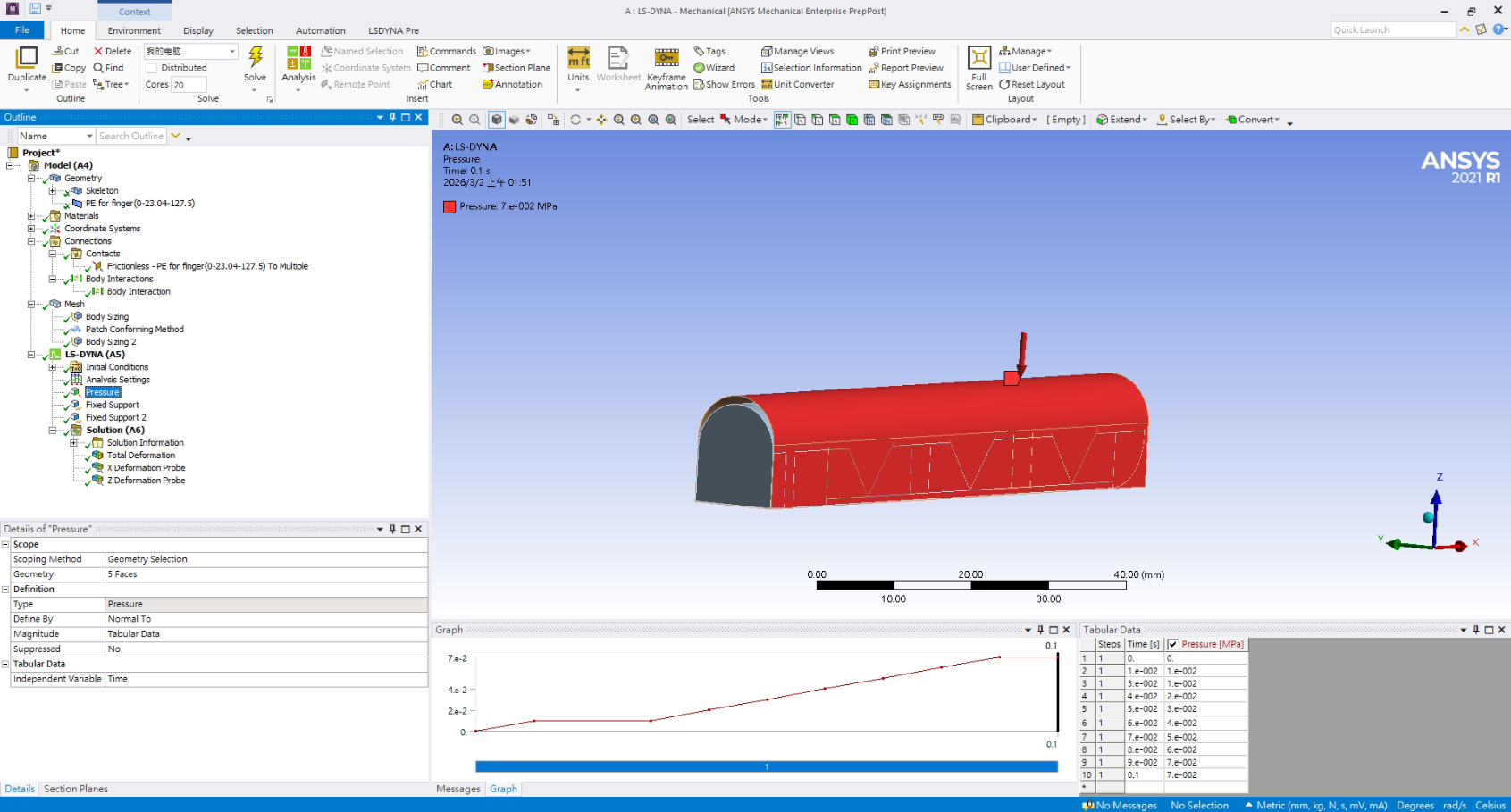
      I couldn't set the film to withstand a pressure of -70 kPa inside, so I changed it to setting the outer surface of the PE film to withstand 70 kPa.

    • rian4429
      Subscriber

      Step9:
      I set the bottom of the skeleton and the bottom of the membrane to be completely fixed.

    • rian4429
      Subscriber

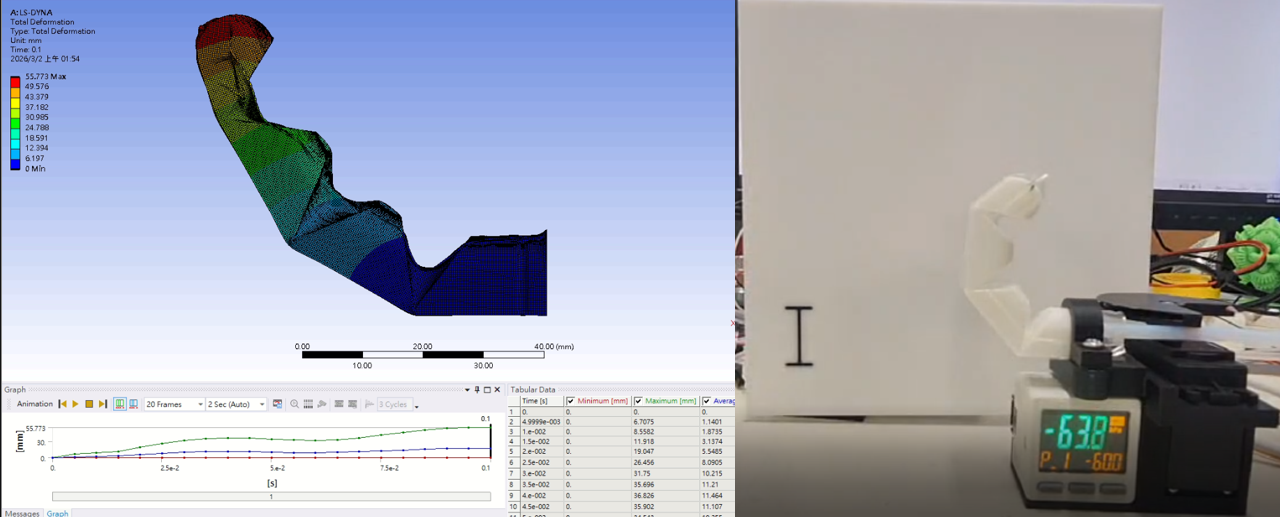
      This image shows the final result of the simulation, with a bending angle of approximately 70 degrees (left image), but the actual bending angle of a flexible finger is 120 degrees (right image).

    • ErKo
      Ansys Employee


      Hi

      Peteroznewman has kindly provided help and looked at your model (we Ansys empl. cannot do that).

      Wait for his feedback and perhaps him to share the model (that gives better results) with you.

      Otherwise I would like to suggest just to do perhaps a compression/tensile test on a small sample with this material to make sure you have the correct material prop.

      Optislang and ls-opt can be used to tune mat. prop. to physical test data (say tensile tests).
      Vorlagen für Tagungsband

      Except of material prop., of course having the correct load is needed also.

      All the best

      Erik



    • rian4429
      Subscriber

      Thank you for your reply.

      The TPU material used in the simulation underwent uniaxial tensile testing according to the ASTM D412 standard, and curve fitting was performed using the hyperelastic model in ANSYS.

      rian4429

      • ErKo
        Ansys Employee


        Yes make sure you can reproduce that with simulation and get same exact results as test. Perhaps other can chime in here (seen you have created lots of posts in many forums so be patient for forum members to reply perhaps as this is not easy to help with )


    • rian4429
      Subscriber

      Thank you for your reminder.

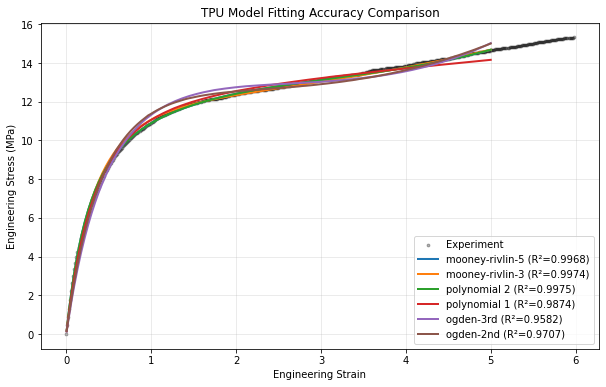
      I have reproduced the results from ASTM D412 through static structural simulation and performed curve fitting using different hyperelastic material models.

      Following the procedures outlined in international journals, I calculated the coefficients of determination between the simulation results and experimental data for each model to determine the most suitable hyperelastic material model for this TPU material.

Viewing 13 reply threads
  • You must be logged in to reply to this topic.
[bingo_chatbox]