

TAGGED: ansys-fluent, dynamic-mesh, remeshing
-
-
April 5, 2022 at 12:37 pm
GridMan
SubscriberApril 5, 2022 at 1:41 pmRob
Forum ModeratorCheck the cell count, you may find as the bodies separate that the mesh is very refined in the gap.
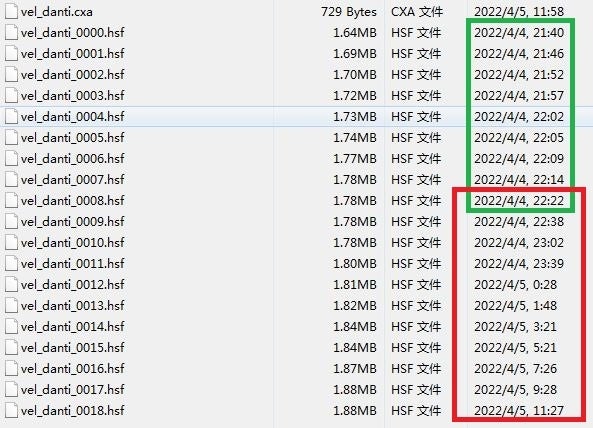
April 6, 2022 at 3:10 amSubscriberHiRob,thanks for your answers!As you said, the cell count did increase, but only from three million to four million, does that cause the computation time to increase rapidly from five minutes to two hours?
April 6, 2022 at 12:35 pmForum ModeratorNot normally, although it can affect the time step size. How much RAM have you got?
April 7, 2022 at 1:32 amSubscriberThanks for your answer Rob, I have solved this problem. The smoothing method I used before was diffusion which would slower and slower. After I changed it to spring method, the calculation speed was greatly improved and the remained stable. It seems that for a large mesh , the diffusion method will significantly slow down the calculation speed.
April 7, 2022 at 9:46 amForum ModeratorI suspect as the cell count goes up the number of checks/cell alterations becomes excessive. Depending on how much RAM you have you may then struggle with the amount of compute effort. Thanks for posting a solution.
Viewing 5 reply threads- The topic ‘Fluent stuck at “Updating solution at time level N…” for a long time at each time step’ is closed to new replies.
Innovation Space Trending discussions
 Top Contributors
-
peteroznewman
 4863
4863 -
scabo
 1587
1587 -
Dennis Chen
 1386
1386 -
javat33489
 1242
1242 -
Shyam Prasad V Atri
1021
Top Rated Tags
© 2026 Copyright ANSYS, Inc. All rights reserved.
Ansys does not support the usage of unauthorized Ansys software. Please visit www.ansys.com to obtain an official distribution.
-


The Ansys Learning Forum is a public forum. You are prohibited from providing (i) information that is confidential to You, your employer, or any third party, (ii) Personal Data or individually identifiable health information, (iii) any information that is U.S. Government Classified, Controlled Unclassified Information, International Traffic in Arms Regulators (ITAR) or Export Administration Regulators (EAR) controlled or otherwise have been determined by the United States Government or by a foreign government to require protection against unauthorized disclosure for reasons of national security, or (iv) topics or information restricted by the People's Republic of China data protection and privacy laws.

 You are navigating away from the AIS Discovery experience