Hello,
I have a couple of doubts about condensation simulation.
Here is the domain for the simulation:
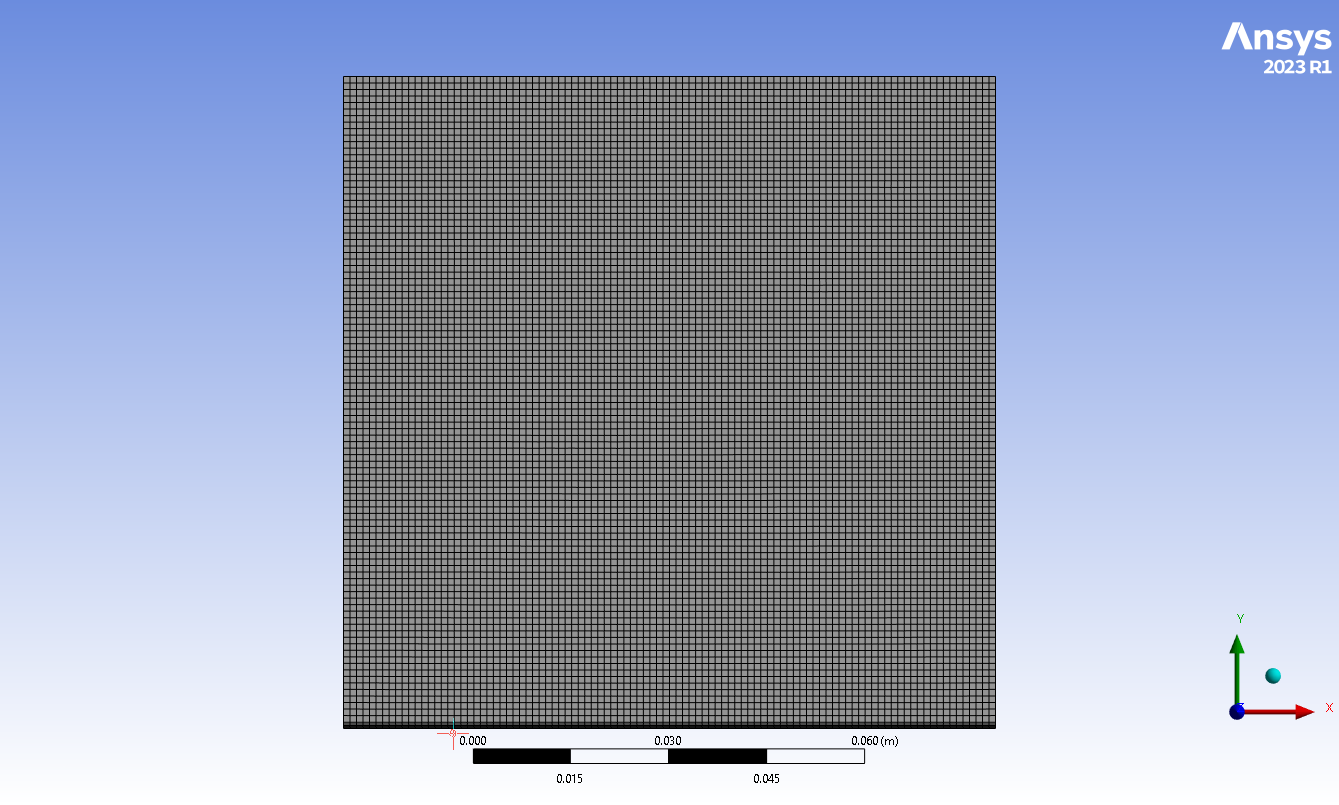
The water vapor enters the chamber at a temperature of 300K through an inlet on the right side of the chamber. I have set the saturation temperature to 280K and the bottom temperature to 270K. All other walls are adiabatic. I have created an inflation layer at the bottom. Only the phase change mechanism is considered, using the mixture model. The vapor condenses at the bottom and forms a liquid layer, which actually happens.
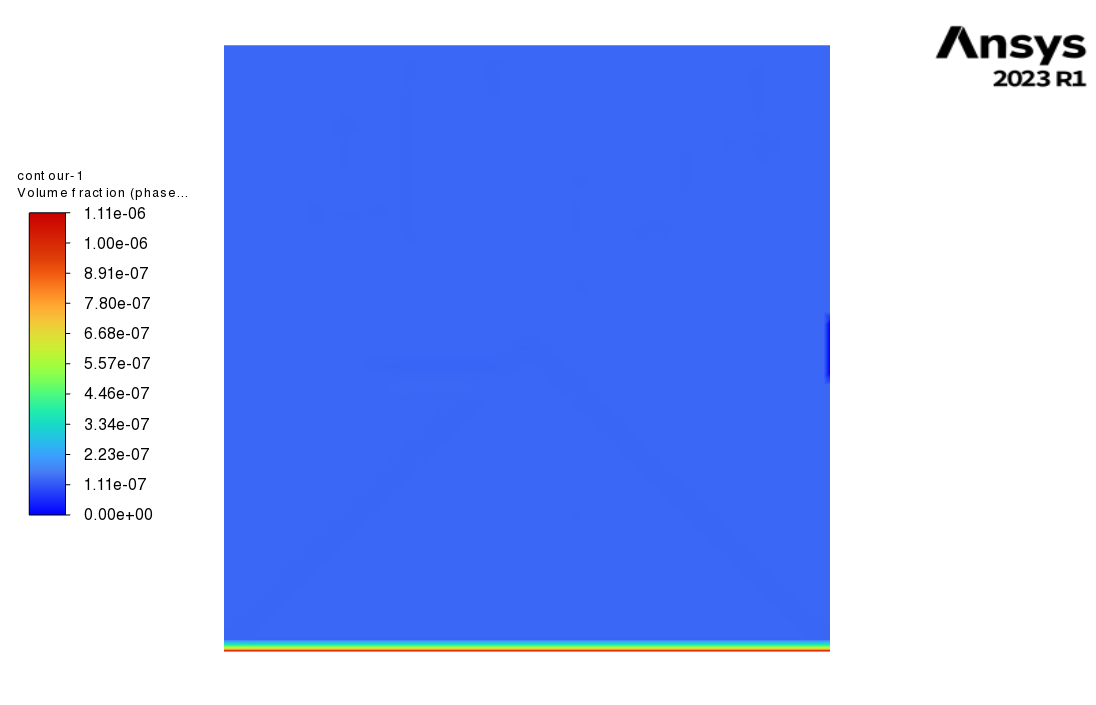
However, when I created an inflation layer at the top wall, condensation also occurred at the top wall. I don't understand why this is happening, as the temperature there is greater than the saturation temperature.
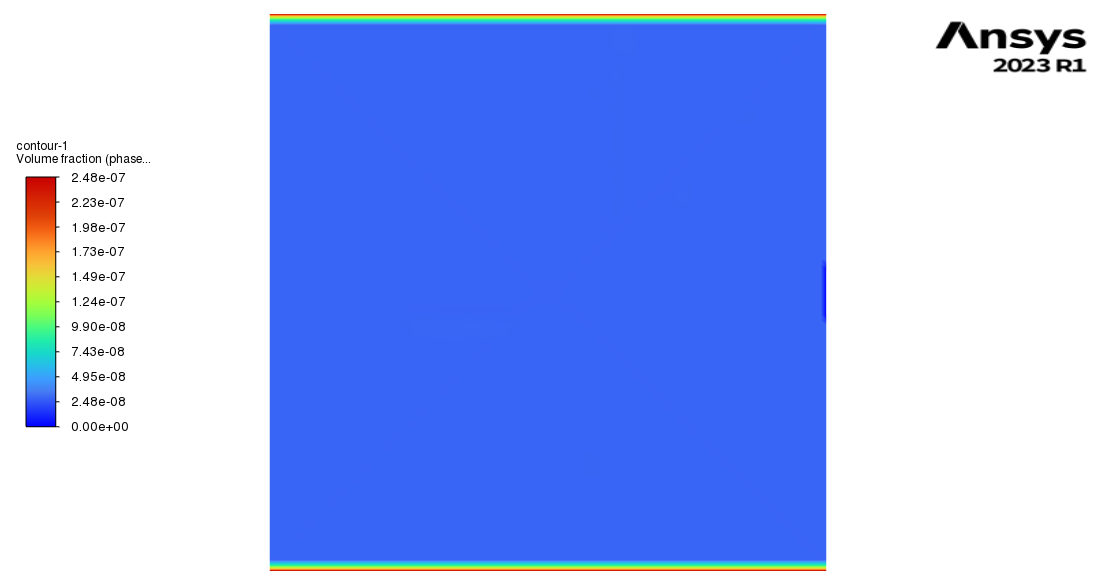
Also, what kind of boundary condition should I apply for this? The chamber simply opens to the atmosphere. Should I go for a velocity boundary, mass flow, or pressure boundary condition?

















 You are navigating away from the AIS Discovery experience