Hyperelastic material models are elastic which means when you remove the load, the material returns to the initial shape.
When fitting hyperelastic coefficients to experimental data, it is vital that only data in the elastic range is included.
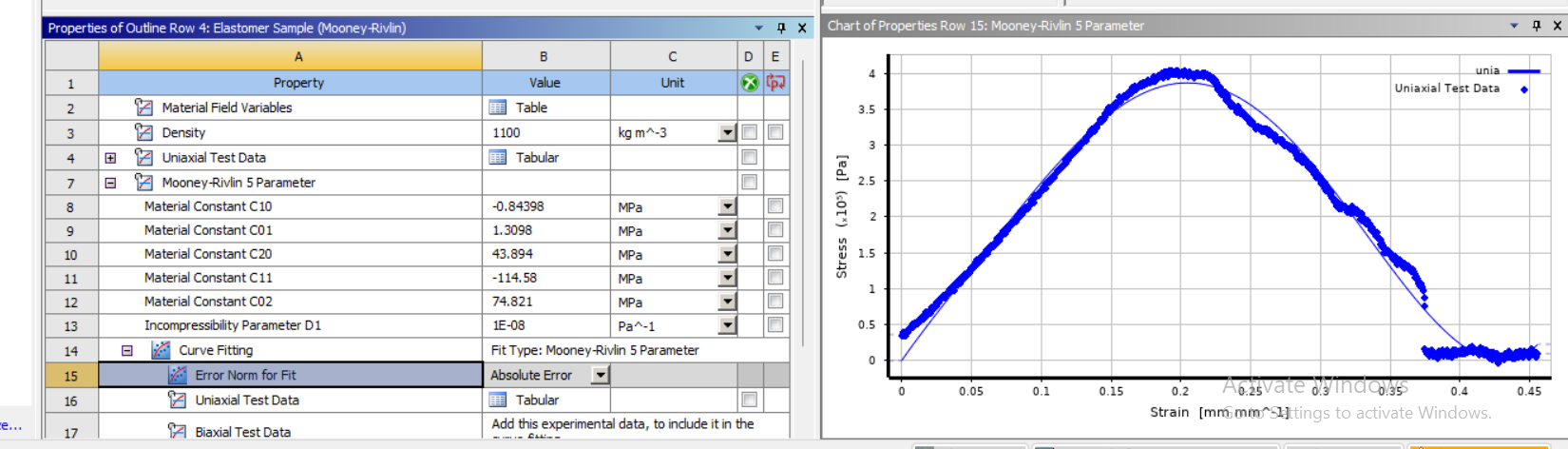
The experimental data you show looks like it includes the damage portion of the tensile test, where the material was taken beyond the elastic range and into the plastic or damaged range.
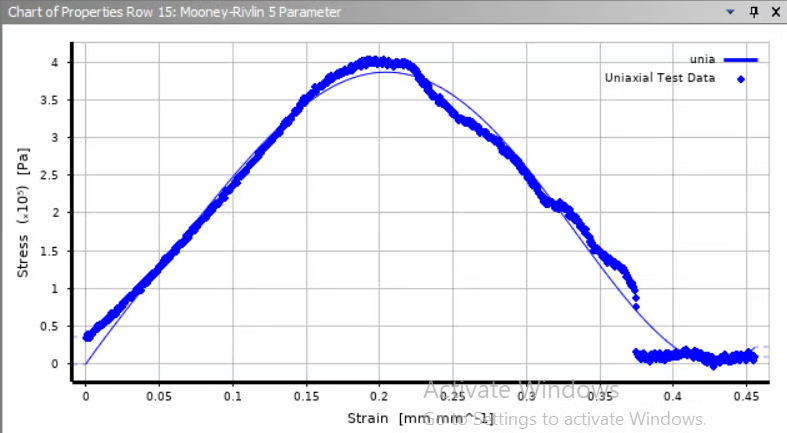
Because you fit invalid data to the hyperelastic material model, your simulation results will have significant deviation from experimental data.
Another mistake you made is using True Stress and Strain in the hyperelastic experimental data. You must use Engineering Stress and Strain for the experimental data when fitting the coefficients in the Hyperelastic material models.
You can have a Viscoplasticity material model that includes the elastic portion of the material response and a rate-dependent material model for the plastic portion of the material response.
https://ansyshelp.ansys.com/public/account/secured?returnurl=/Views/Secured/corp/v261/en/ans_mat/rate.html
Many materials exhibit stress relaxation over time when held at a fixed amount of displacement or exhibit creep behavior when held at a fixed stress level which manifests as strain continuing to increase over time. There are material models to represent this viscoelastic behavior.
https://ansyshelp.ansys.com/public/account/secured?returnurl=/Views/Secured/corp/v261/en/ans_thry/thy_mat6.html
A material can have more than one model to represent different behaviors. For example you can have both the Hyperelastic model and the PRONY model for viscoelasticity.


















 You are navigating away from the AIS Discovery experience