
-
-
April 20, 2022 at 8:36 pm
Shangxuan Yu
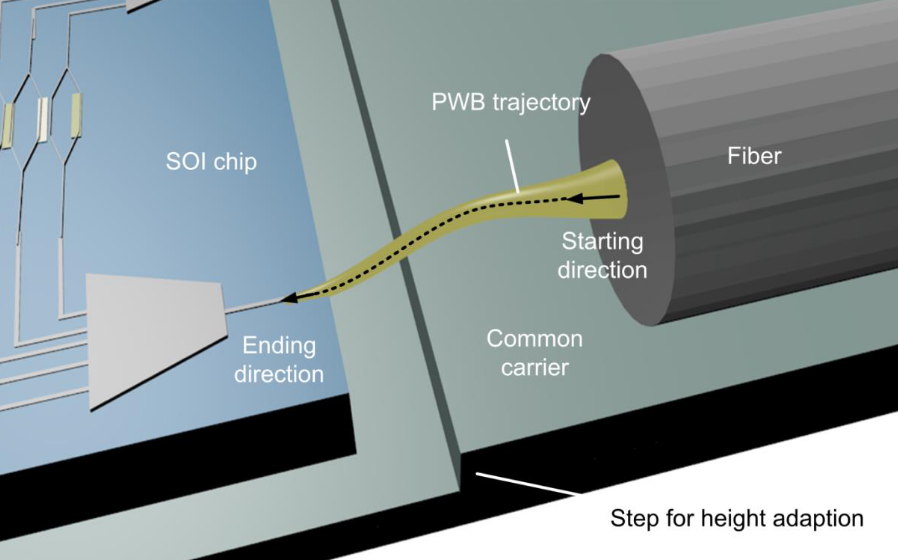
SubscriberI am trying to set up 3D polymer waveguide FDTD simulation like the picture shown below:
April 21, 2022 at 9:50 pmGuilin Sun
Ansys EmployeeCurrently Lumerical FDTD can handle straight geometry like
https://support.lumerical.com/hc/en-us/articles/360034382214-Custom-structure-object-Simulation-Object
https://support.lumerical.com/hc/en-us/articles/360034901533-Surface-structure-object-Simulation-Object
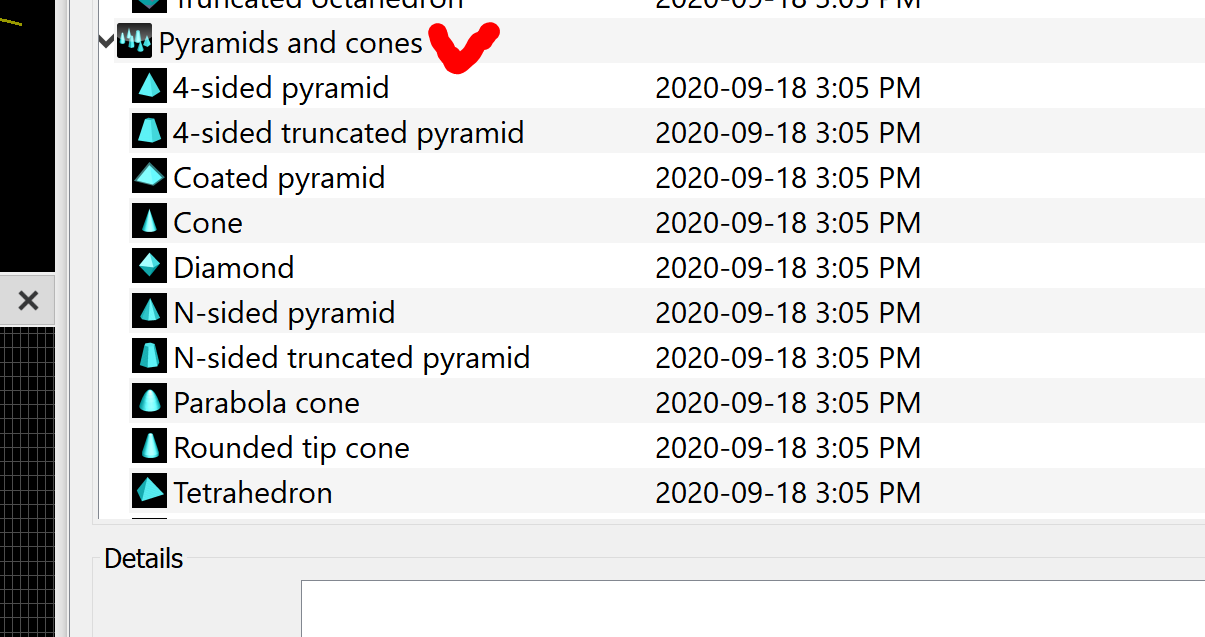
For the 3D trajectory you showed, if you know the cross section data, you can create it by the use of structure group. It builds up the 3D trajectory by layered cylinder, layer by layer. Please refer this :
 I would suggest that you simulate the devices by 3 different sections: fiber to the 3D trajectory, the trajectory its self to optimize its length in order to reach highest transmission, and the small end to the chip (detector?)? you can do cascading simulations: Using monitor data to define the spatial field
or you simulate each part, get the s parameters (it may involve many modes), and then use T matrix or S matrix methods to combine the final S parameters, which is a new project.
200um is relative long but doable, depending on your computer resources and performance. You may also try the Cloud simulation.
Viewing 1 reply thread- The topic ‘3D waveguide FDTD for coupling loss’ is closed to new replies.
Innovation Space Trending discussions
 Top Contributors
-
peteroznewman
 6379
6379 -
scabo
 1906
1906 -
Dennis Chen
 1457
1457 -
javat33489
 1308
1308 -
Shyam Prasad V Atri
1022
Top Rated Tags
© 2026 Copyright ANSYS, Inc. All rights reserved.
Ansys does not support the usage of unauthorized Ansys software. Please visit www.ansys.com to obtain an official distribution.
-


The Ansys Learning Forum is a public forum. You are prohibited from providing (i) information that is confidential to You, your employer, or any third party, (ii) Personal Data or individually identifiable health information, (iii) any information that is U.S. Government Classified, Controlled Unclassified Information, International Traffic in Arms Regulators (ITAR) or Export Administration Regulators (EAR) controlled or otherwise have been determined by the United States Government or by a foreign government to require protection against unauthorized disclosure for reasons of national security, or (iv) topics or information restricted by the People's Republic of China data protection and privacy laws.

 You are navigating away from the AIS Discovery experience