TAGGED: -Force-calculation, force-displacement, lsdyna
-
-
April 13, 2026 at 10:40 am
akshay.kalgutkar
SubscriberHi everyone,
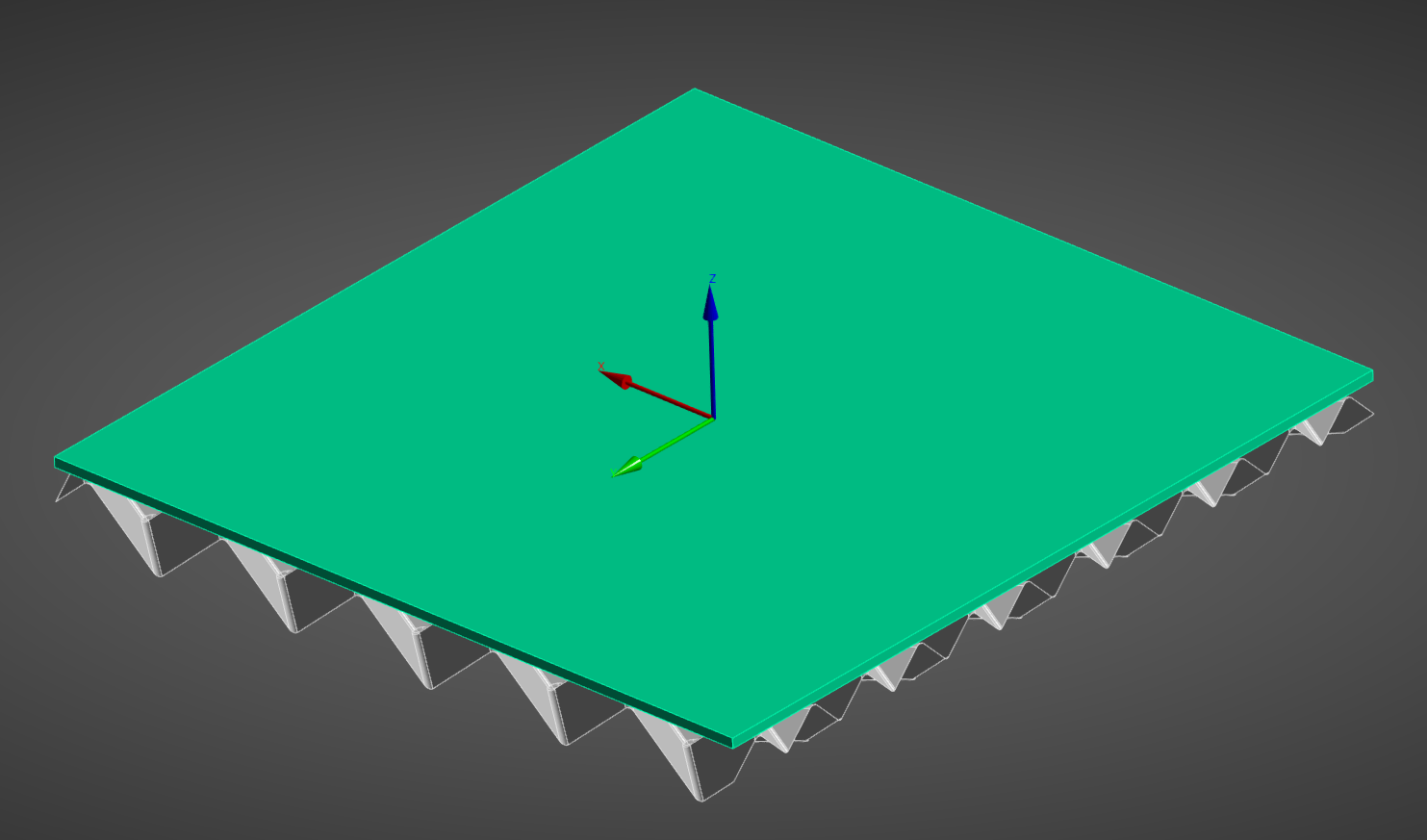
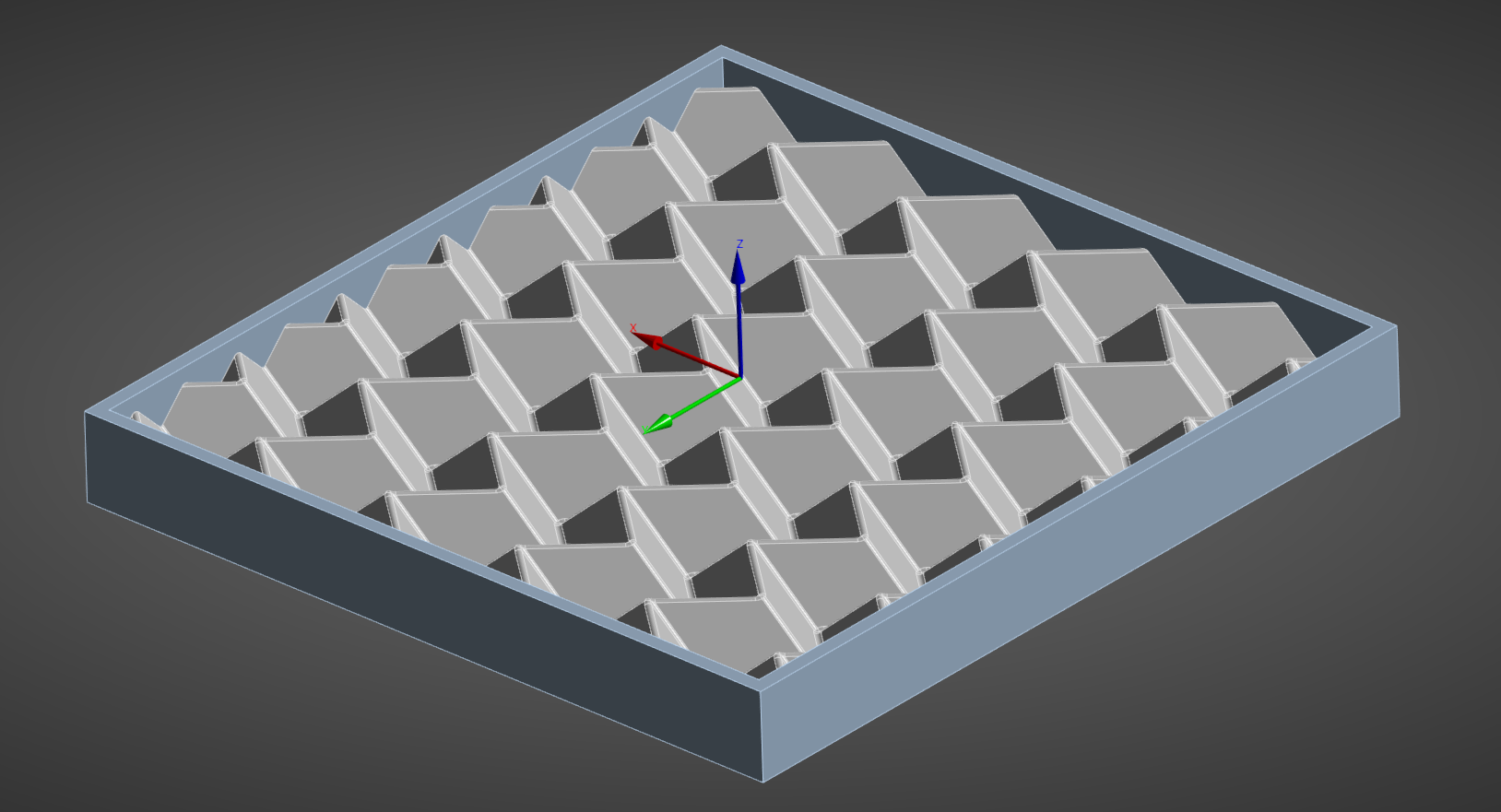
I am currently simulating the crushing behaviour of a Miura plate using LS-DYNA Workbench and have encountered an issue while trying to extract the force–displacement response.
In my setup, the plate is supported on a rigid box, while a rigid top platen (crosshead) is prescribed a displacement in the transverse direction. The bottom box is fully constrained using a rigid body definition, and the top platen is only allowed to move in the loading direction.
My goal is to obtain the force exerted by the top platen on the Miura plate so that I can plot a force versus displacement curve. However, when I attempt to extract this using the “reaction force” or “external force” options in Workbench, I receive an error message stating: “Extraction of result failed.”
I would appreciate any guidance on how to correctly obtain the force output for this type of displacement-controlled simulation.
Thank you in advance!
-
April 13, 2026 at 1:06 pm
ErKo
Ansys EmployeeHi
The easiest is to make the moving plate flexible (instead of rigid), and then apply a displacement to it pushing it as needed. The reaction should be available then.
All the best
Erko-
April 14, 2026 at 2:30 pm
akshay.kalgutkar
SubscriberHi Erko,
I’ve modelled the top plate with flexible behaviour, as suggested, and applied a displacement in the transverse direction. However, when I try to obtain the reaction force through the reaction force option using a displacement boundary condition, I encounter an error. On the other hand, using the external force option with the displacement boundary condition gives a large negative force at the initial time step, which then jumps to zero and oscillates around zero thereafter.
I’m interested to know whether I should shift the external force by the initial force value so that it starts from zero at the initial time.
Any advice would be appreciated
-
-
April 14, 2026 at 7:52 am
akshay.kalgutkar
SubscriberHi Erko,
I’ve modelled the top plate with flexible behaviour, as suggested, and applied a displacement in the transverse direction. However, when I try to obtain the reaction force through the reaction force option using a displacement boundary condition, I encounter an error. On the other hand, using the external force option with the displacement boundary condition gives a large negative force at the initial time step, which then jumps to zero and oscillates around zero thereafter.
I’m interested to know whether I should shift the external force by the initial force value so that it starts from zero at the initial time.
Any advice would be appreciated!
-
April 14, 2026 at 3:42 pm
ErKo
Ansys EmployeeYes I have seen that also - perhaps use a filter (see details).
9.2.3. Viewing and Filtering Result Tracker Graphs for LS-DYNA
Perhaps some other users have some ideas.All the best
Erko
-
- You must be logged in to reply to this topic.
-
6264
-
1906
-
1457
-
1308
-
1022
© 2026 Copyright ANSYS, Inc. All rights reserved.