Electronics

Electronics

Topics related to HFSS, Maxwell, SIwave, Icepak, Electronics Enterprise and more.

AC Resistance in Maxwell 3D Eddy current and 2D cylindrical rz

    • lufan.zhou
      Subscriber

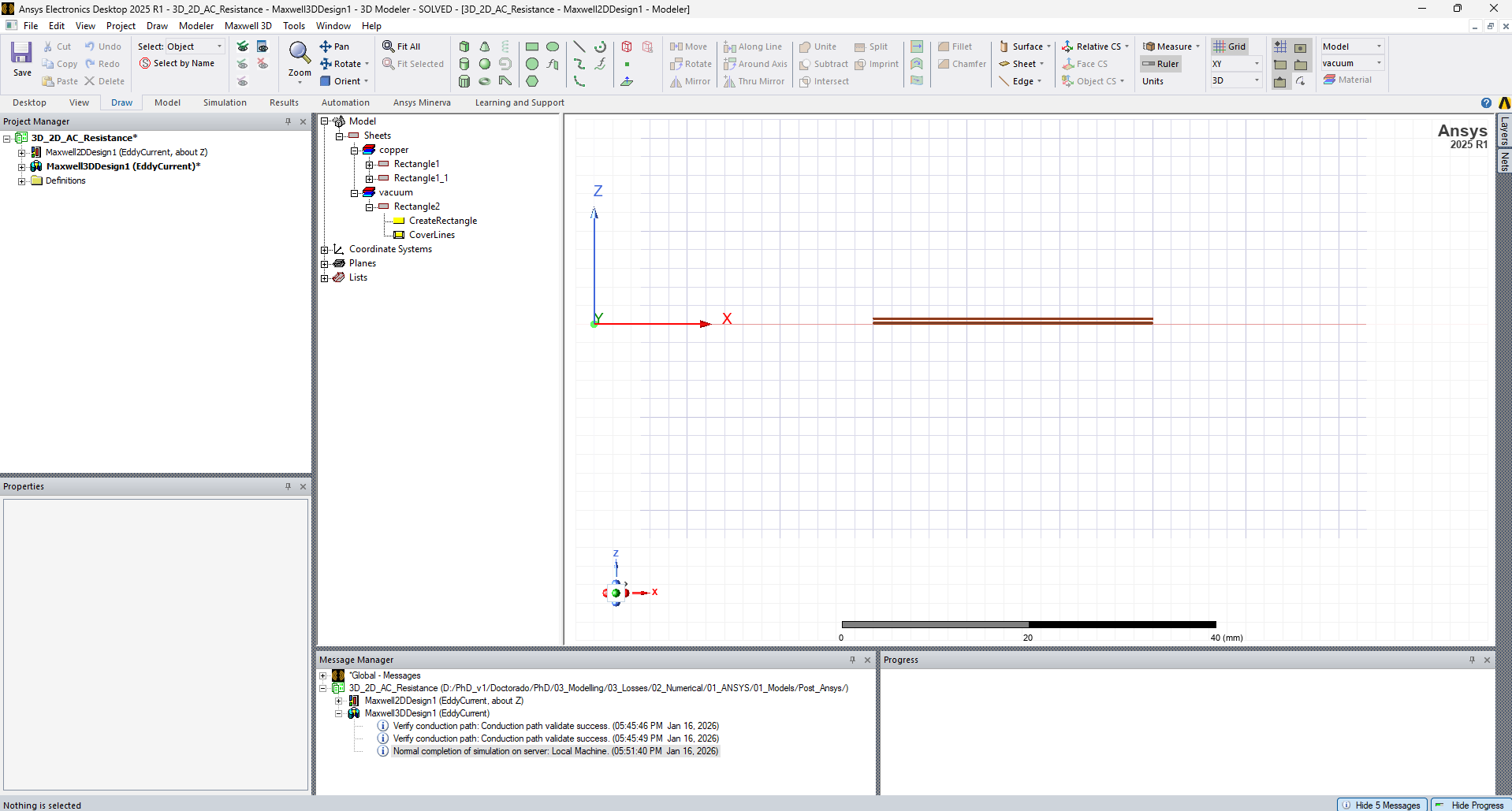
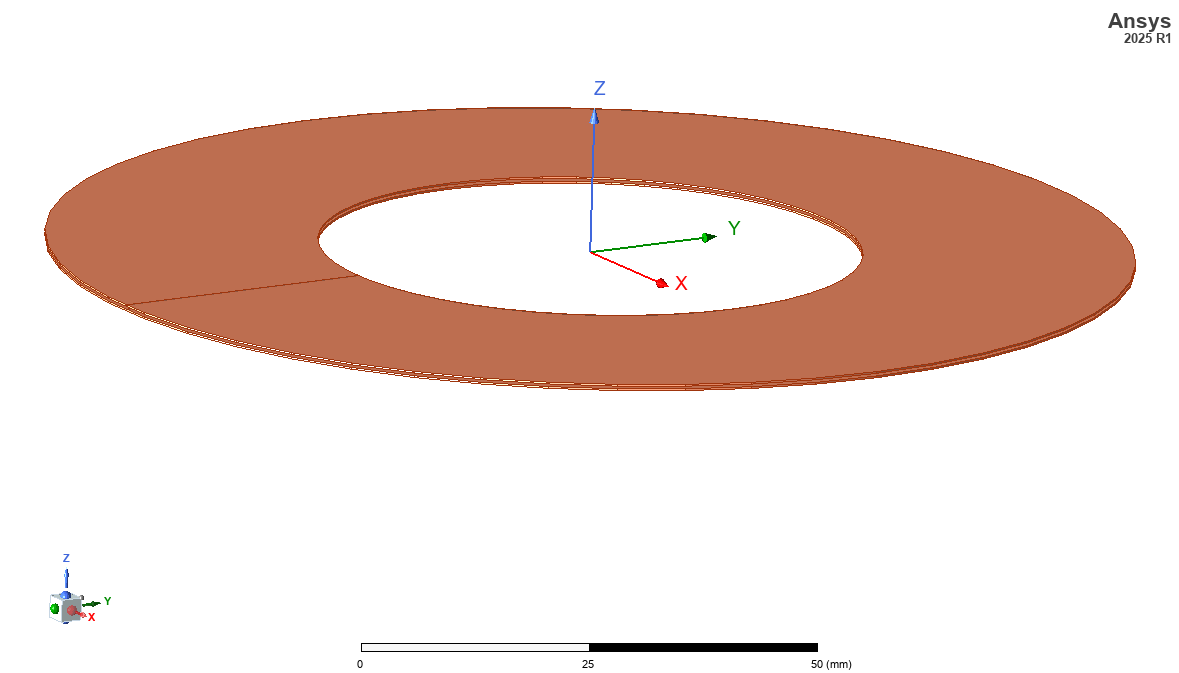
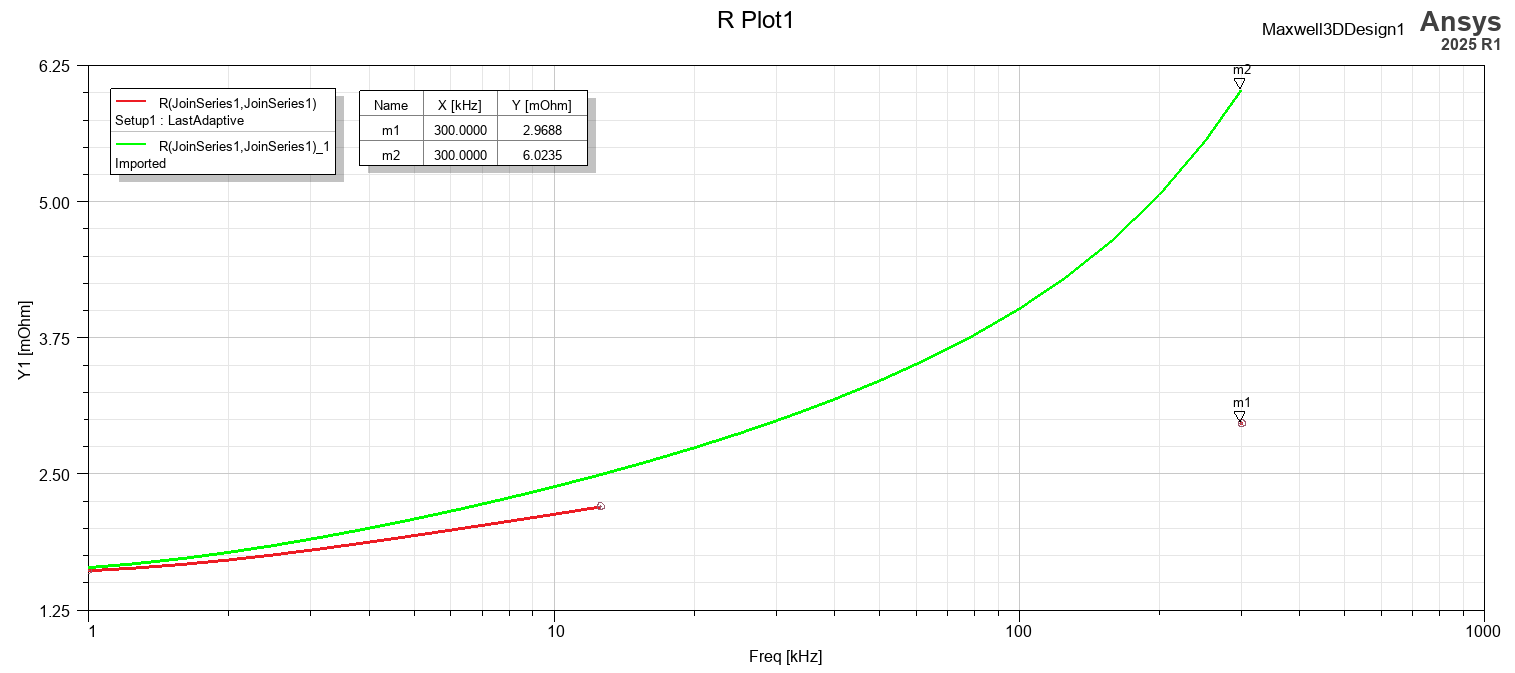
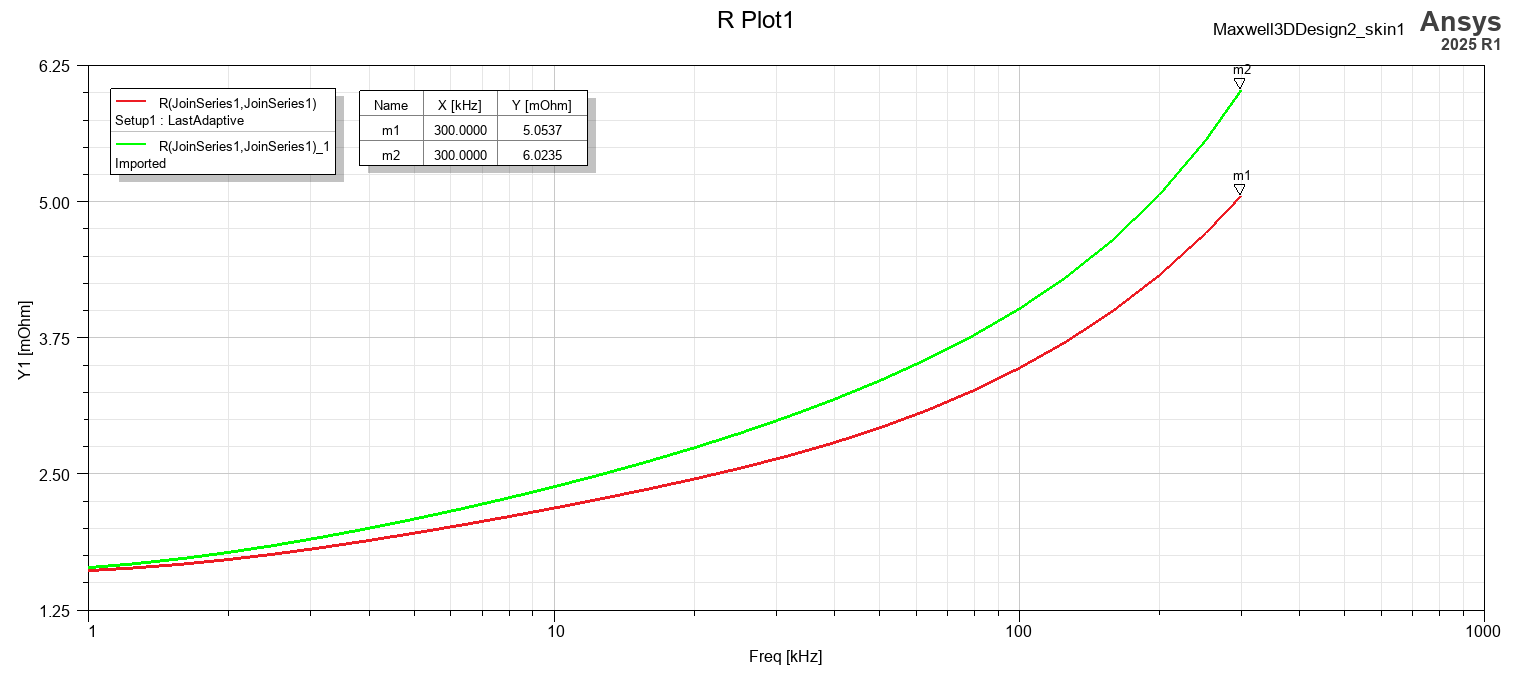
      I was simulating two simulations: Maxwell 3D and 2D cylindrical RZ in the Eddy Current solver. I found that the AC resistance is different in these two simulations when I am simulating planar windings with two layers. I set the mesh configuration in 3D to accurate. It is a simple two-layer winding, and I didn’t simulate it well.

      Could you help with this issue?

      I will attach images of the resistance and the model in 3D and 2D.

    • MirandaH
      Ansys Employee
      In order to better understand this comparison, how was the excitation assigned in the 2D design? Is the winding solid or stranded? How about mesh quality from both designs?
    • lufan.zhou
      Subscriber

      In order to better understand this comparison,

      • How was the excitation assigned in the 2D design?
        1 A for both.

      • Is the winding solid or stranded?
        Solid for both.

      • How about the mesh quality for both designs?
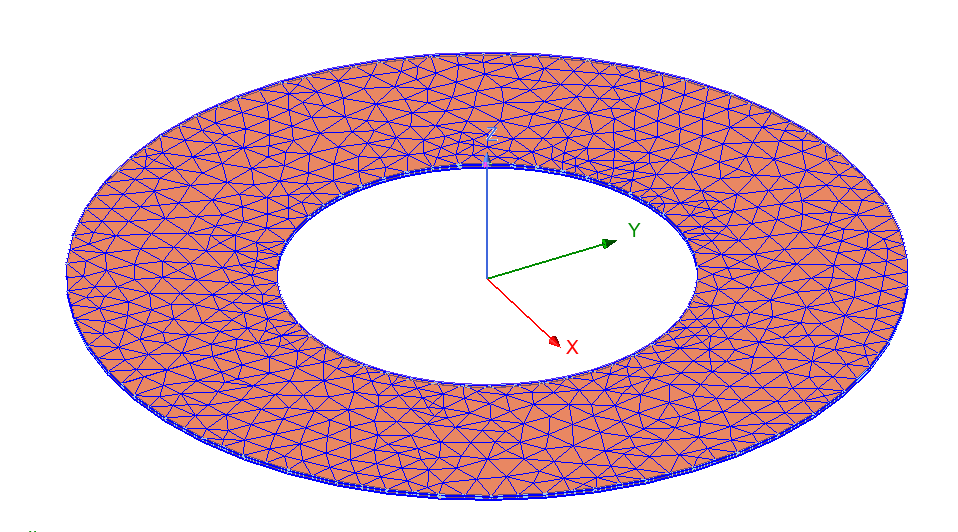
        The 2D design is the same, changing only the mesh quality, and in 3D I set a better mesh using a length mesh of 6 mm.

      I will attach the mesh plots of the simulations in 2D and 3D.

      • MirandaH
        Ansys Employee

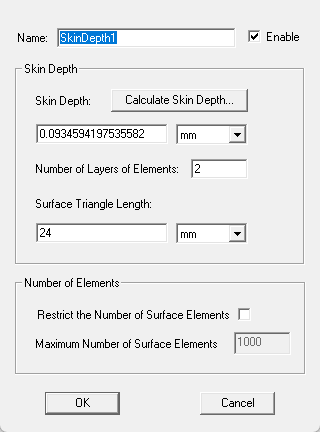
        The mesh might not be fine enough to capture ununiformed current distribution when frequency gets higher. Please consider to use skin depth mesh operation to calculate the skin depth at each frequency.

    • lufan.zhou
      Subscriber

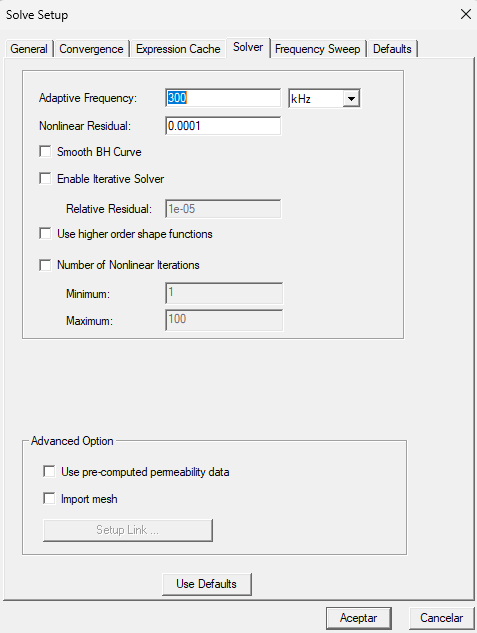
      I used the skin-depth mesh operation with a skin depth corresponding to 500 kHz. The AC resistance results up to 300 kHz are better than when using other mesh settings, but there is still a discrepancy compared with the 2D simulation. Why does this happen?

Viewing 3 reply threads
  • You must be logged in to reply to this topic.