Hello all,
I modeled a segmented telescope in Zemax using multi-configurations, following the Zemax tutorial "How to model an adaptive optical system". I am trying to calculate the Huygens PSF of the system. From my understanding, based on the Zemax manual as well as this Zemax community thread, the PSF calculated with "ALL" configurations selected in the Huygens PSF window gives a coherent sum of the PSFs of all configurations. However, for a telescope looking at distant stars, I want an incoherent sum of PSFs.
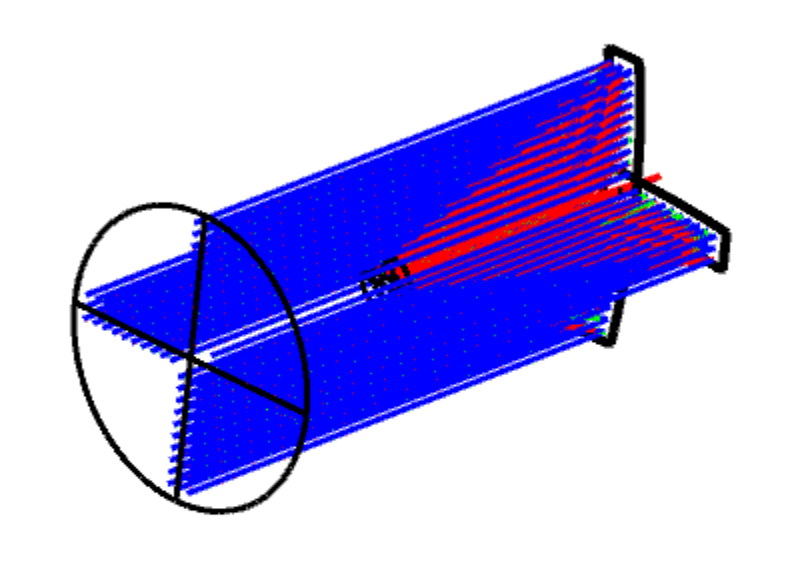
When I try to baseline my model with a single configuration mirror, on which I apply a User-Defined Aperture to replicate my multiconfiguration model. Here, the Huygens PSF obtained (first figure) is identical to the PSF obtained from my multi-configuration (second figure) and I think they make sense based on the geometry of the segmented mirror. One would say I should be happy about it.
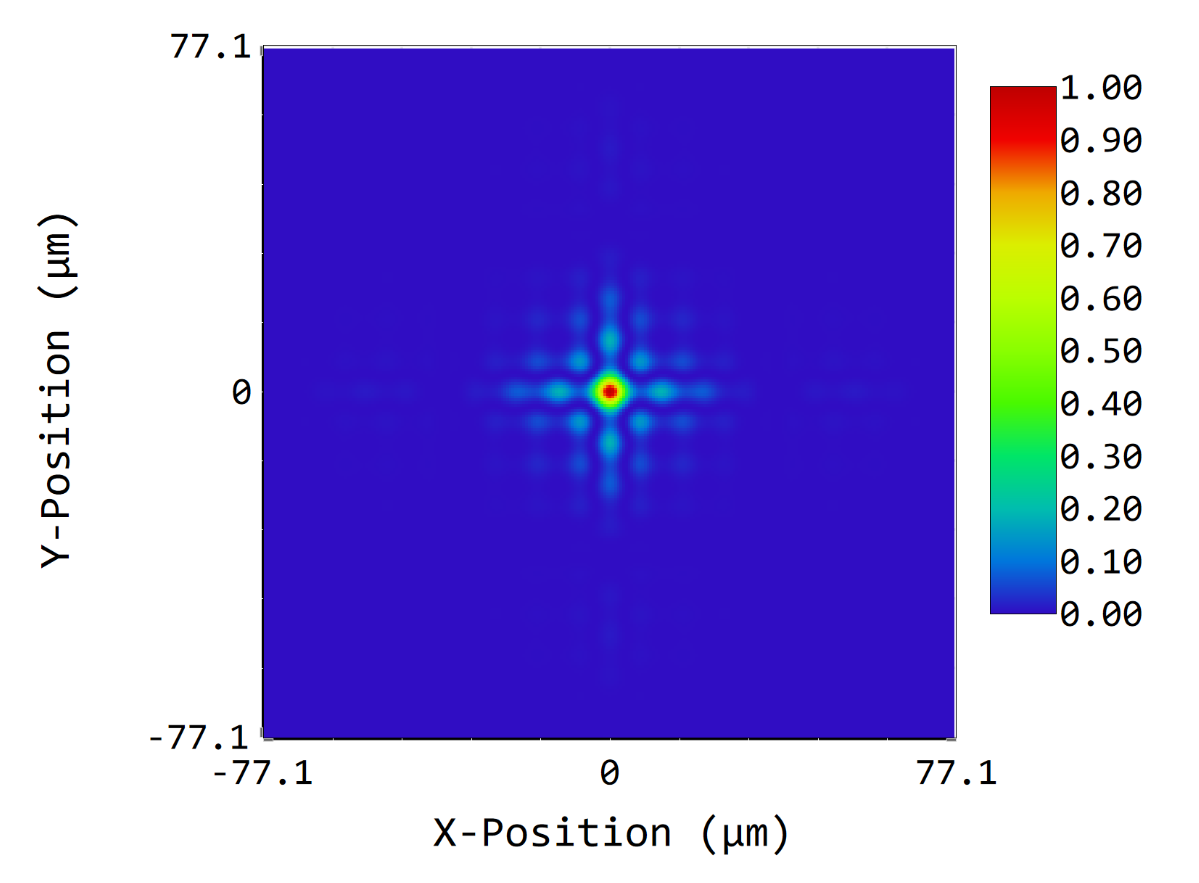
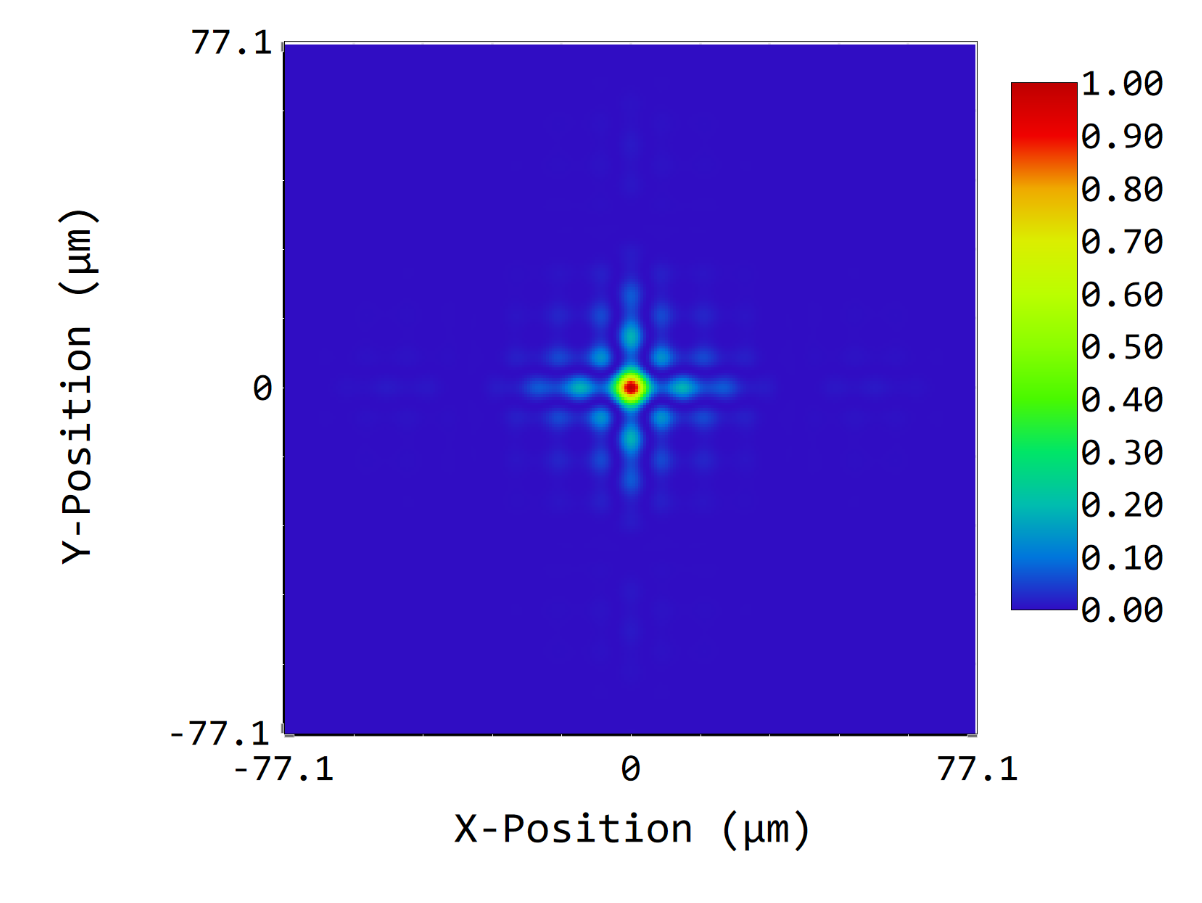
My question arises because I thought that, since the multi-configuration PSF is a coherent sum, I should not obtain the same PSF as the single configuration/multiple aperture. Am I understanding/doing something wrong?
Thank you all for your help!


















 You are navigating away from the AIS Discovery experience