Electronics

Electronics

Topics related to HFSS, Maxwell, SIwave, Icepak, Electronics Enterprise and more.

Eddy current frequencies

    • andrea080690
      Subscriber

      Theory of eddy current frequency


      Hello, 
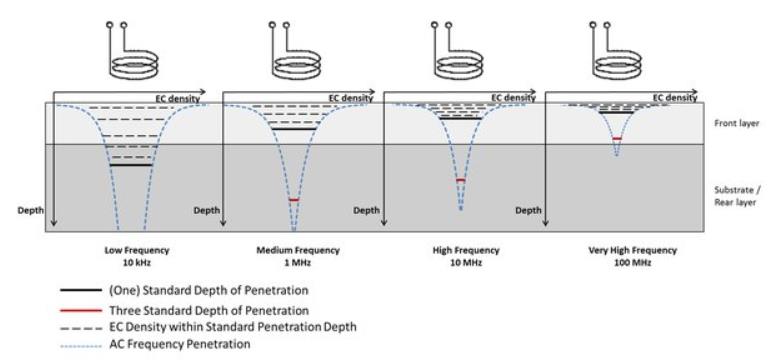
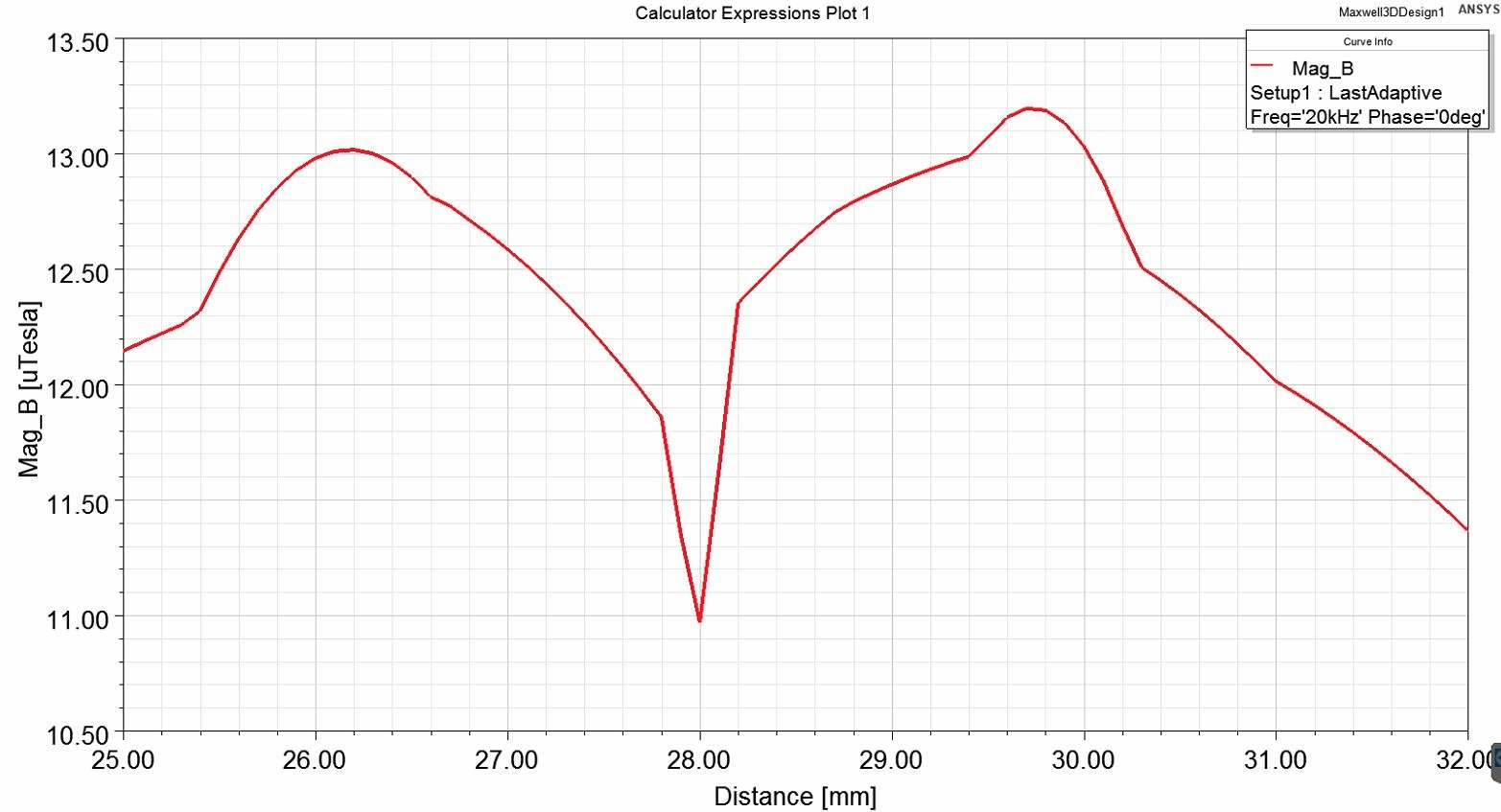
      I am trying to simulate a magnetic field generated from a coil with a current of 150 mA (solid) with different frequencies to detect defects in metal. I have simulated tree defects of 0.5, 1, and 2 mm of deep. In theory for higher frequencies should be well detected defect smaller, like 0.5 mm, and for lower frequencies should be easy to detect deeper defect, like 2 mm, but when I simulate it is it the opposite. I chose maxwell - solution type - eddy current. How could be? 


      This is the coil on the top of the sample:
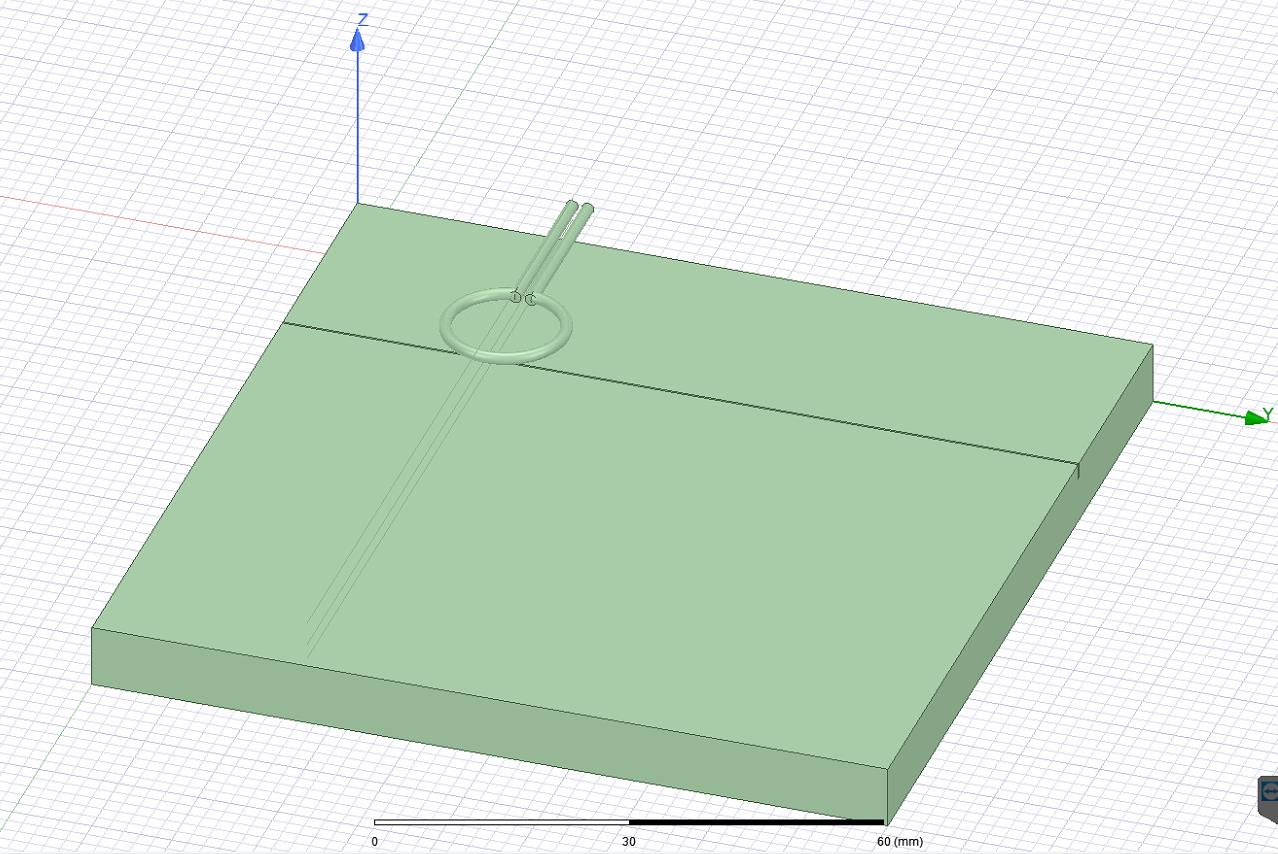

       coil on the sample


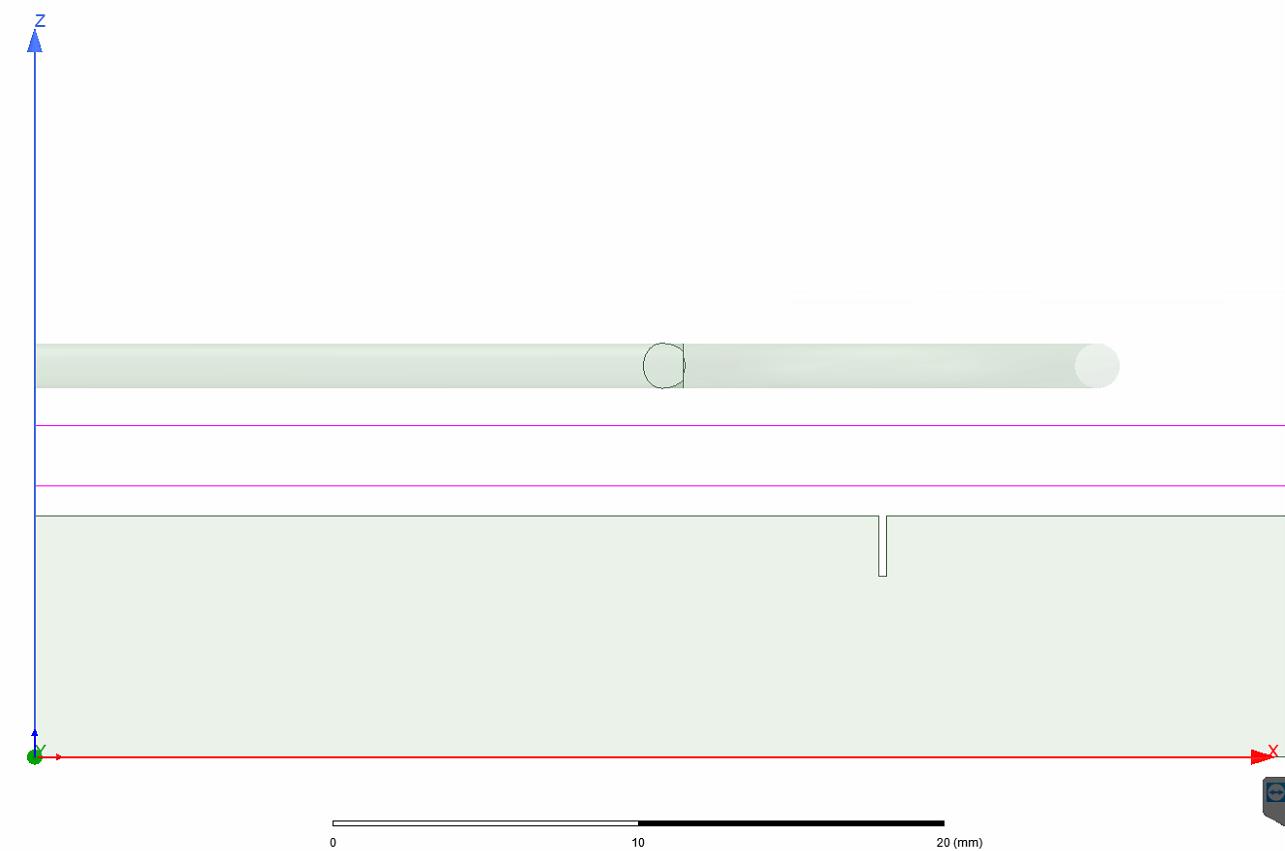
      This is the lateral view:


      laterale


      The field at 1 mm from the sample with a defect of 2 mm at 1 kHz:
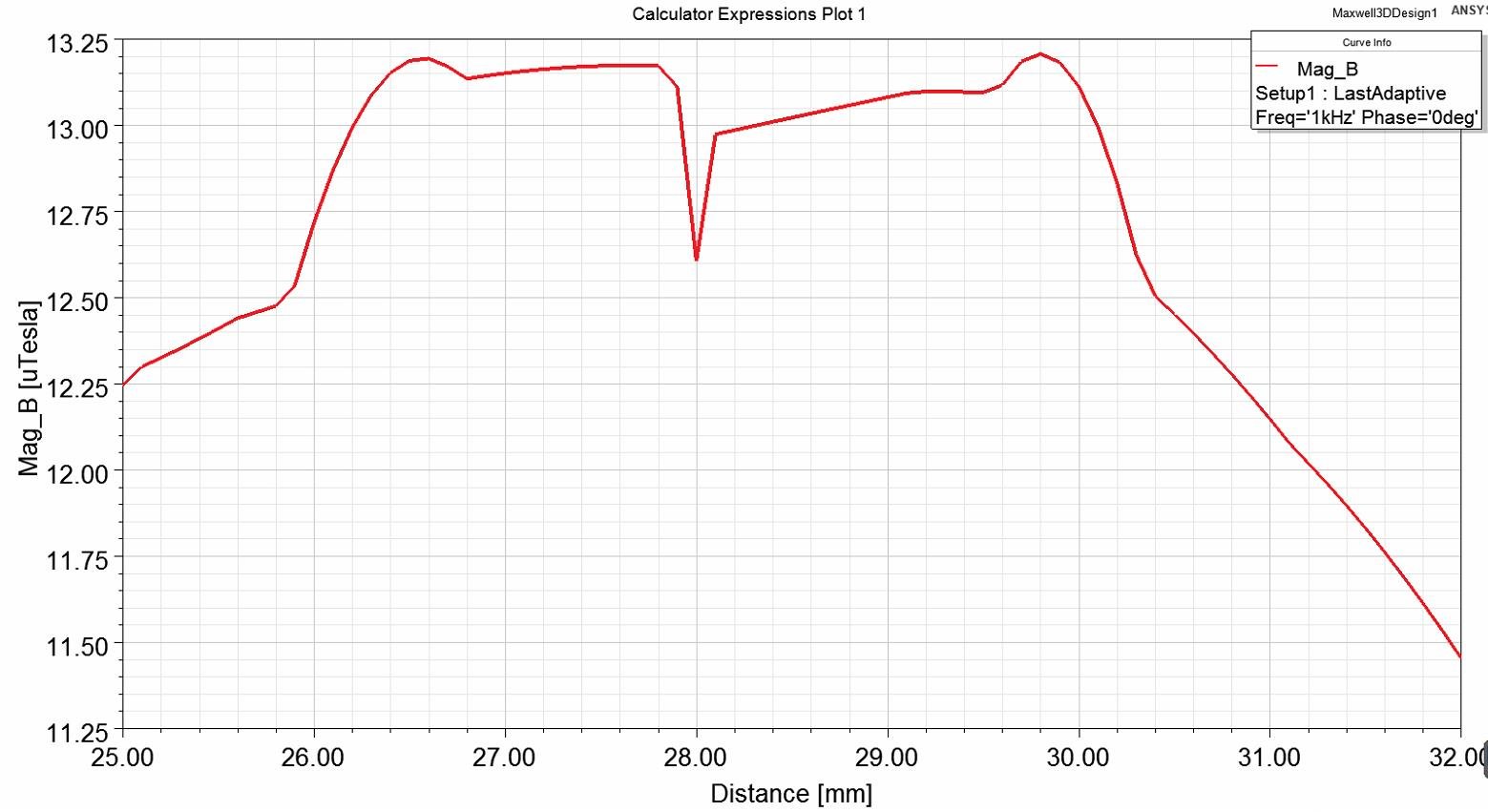


      The field at 1 mm from the sample with a defect of 2 mm at 20 kHz:


    • CB
      Ansys Employee

      As an Ansys employee I can only assist you with how to model/simulate but any non-Ansys Student Community can help you with your question. We do have some very good videos on using Maxwell to solve for Eddy Currents - please do go to our Ansys Youtube Channel


      https://www.youtube.com/user/ANSYSHowToVideos

    • AndyJP
      Subscriber

      Where did you find such theory.


      The theory says that the penetration depth decreases, which can help filtering out large defects. It does guaranty you detection of smaller ones. Unless there is very high loss.


      you see, higher frequency excitation tend to be converted to traveling waves, or at least leak along the wide surface. sot this is a pure phenomenology and art of searching for ghosts. it helps when the sweeping resolution is high and excitation current is very stable.

Viewing 2 reply threads
  • The topic ‘Eddy current frequencies’ is closed to new replies.