

TAGGED: ensight, fluent, post-processing
-
-
November 23, 2021 at 10:12 pm
Ya_Tang
SubscriberTo whom it may concern,
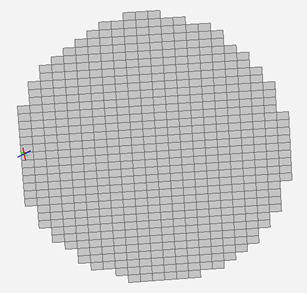
I am trying to export the normal velocity distribution data over time from a vessels’ cross-section surface using Ensight software. The pulsatile velocity was enforced at the inlet boundary conditions of the vessel during the simulation. After the simulation was done, I loaded all time-varying simulation results to Ensight. Then, I created a surface in the middle of the vessel by using the “Clip” button, as can be found in Fig. 1.
November 26, 2021 at 10:18 pmSteve
Ansys EmployeeFile \ Export \ Geometric Entities \ Flatfile will export nodal data for all active variables for the currently selected part. If the data is element based, you'll need to add CELLID to the Parameters box.
Steve
November 29, 2021 at 2:49 pmSubscriberThanks so much for your answer, Steve. It helped me a lot. One more question is: Can I export the coordinate of elements ID if the data is element based?
Thanks again!
Ya
November 29, 2021 at 10:50 pmAnsys EmployeeI think you'll need to create custom variables for each coordinate, then convert these variable to Element variables with the NodeToElem function.
December 1, 2021 at 4:03 pmSubscriberThanks so much for your answer. It works!
Thanks againViewing 4 reply threads- The topic ‘How to exporting elements data from Ensight’ is closed to new replies.
Innovation Space Trending discussions
 Top Contributors
-
peteroznewman
 5849
5849 -
scabo
 1906
1906 -
Dennis Chen
 1420
1420 -
javat33489
 1305
1305 -
Shyam Prasad V Atri
1021
Top Rated Tags
© 2026 Copyright ANSYS, Inc. All rights reserved.
Ansys does not support the usage of unauthorized Ansys software. Please visit www.ansys.com to obtain an official distribution.
-


The Ansys Learning Forum is a public forum. You are prohibited from providing (i) information that is confidential to You, your employer, or any third party, (ii) Personal Data or individually identifiable health information, (iii) any information that is U.S. Government Classified, Controlled Unclassified Information, International Traffic in Arms Regulators (ITAR) or Export Administration Regulators (EAR) controlled or otherwise have been determined by the United States Government or by a foreign government to require protection against unauthorized disclosure for reasons of national security, or (iv) topics or information restricted by the People's Republic of China data protection and privacy laws.

 You are navigating away from the AIS Discovery experience