




Ansys Lumerical DGTD
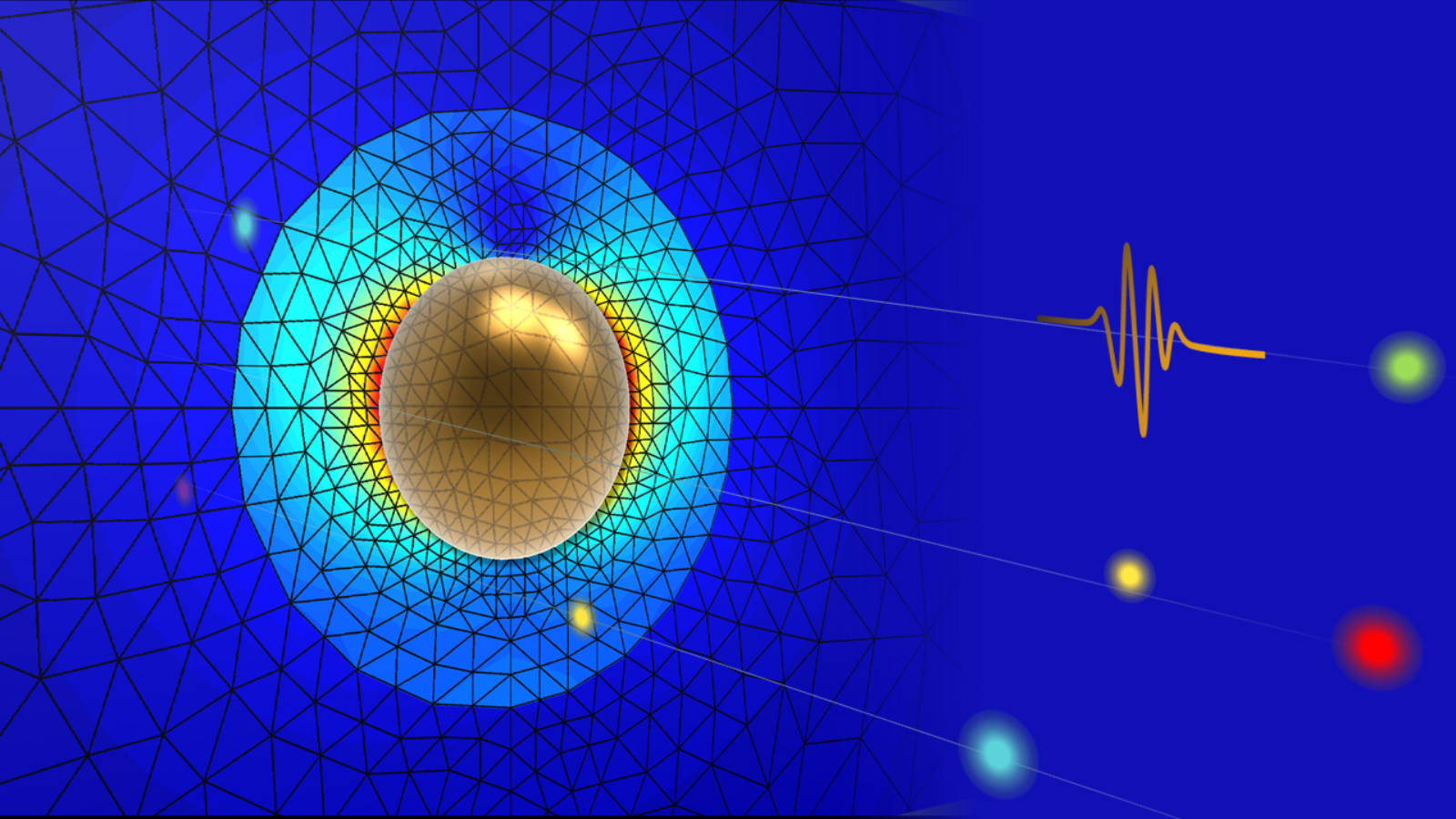
In this learning track, we will learn about the discontinuous Galerkin time-domain (DGTD) method and its typical applications. We will begin by discussing the basic physics behind the DGTD solver and compare it to Lumerical’s finite-difference time-domain (FDTD) solver. Then, we will demonstrate a typical workflow for setting up an optical simulation using the DGTD solver to obtain the absorption and scattering cross-section of a gold nanoparticle due to Mie scattering. Finally, we will learn common simulation tips for the Lumerical DGTD solver.
Innovation Course
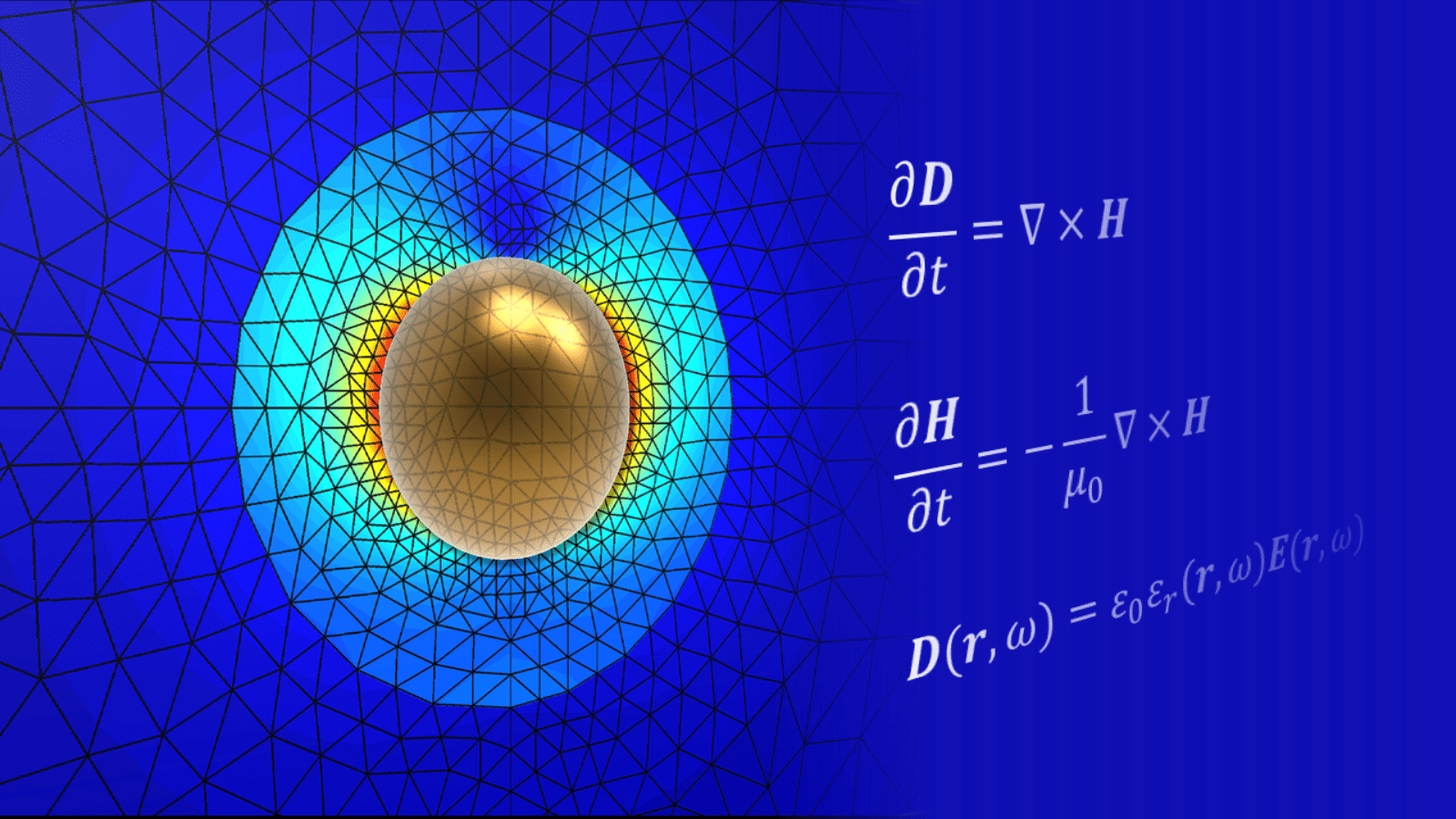
Lumerical DGTD — Intro to DGTD
In this course, you will be introduced to the DGTD method and typical applications. In addition, you will learn the basic physics behind the DGTD solver and compare it to the FDTD solver. By the end of this course, you will: Un...Read more

Innovation Course
Lumerical DGTD — First Simulation
This course demonstrates a typical workflow for setting up an optical simulation using the DGTD solver to obtain the absorption and scattering cross-section of a gold nanoparticle due to Mie scattering. It also introduces other commonly used s...Read more
Innovation Course
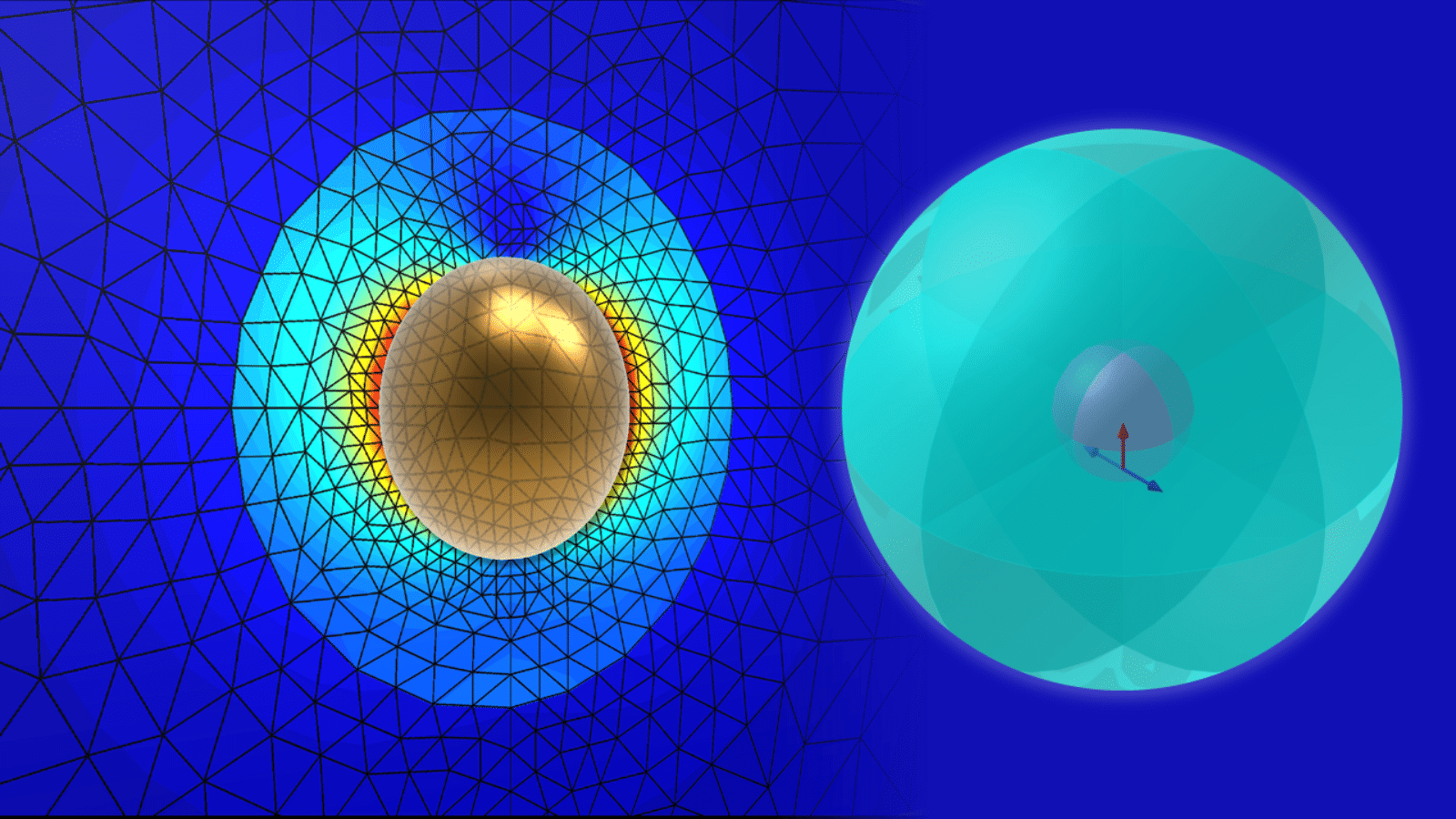
Lumerical DGTD — Simulation Tips
In this course, you will learn common simulation tips for Ansys Lumerical DGTD solver. By the end of this course, you will: Know the available tools for material modeling in DGTD simulations Know the different types of boundary co...Read more